Advertisements


Interior designers Caroline Craft and Gabrielle Pendarvis brought a colorful new perspective to one of Charleston’s historic waterfront homes.
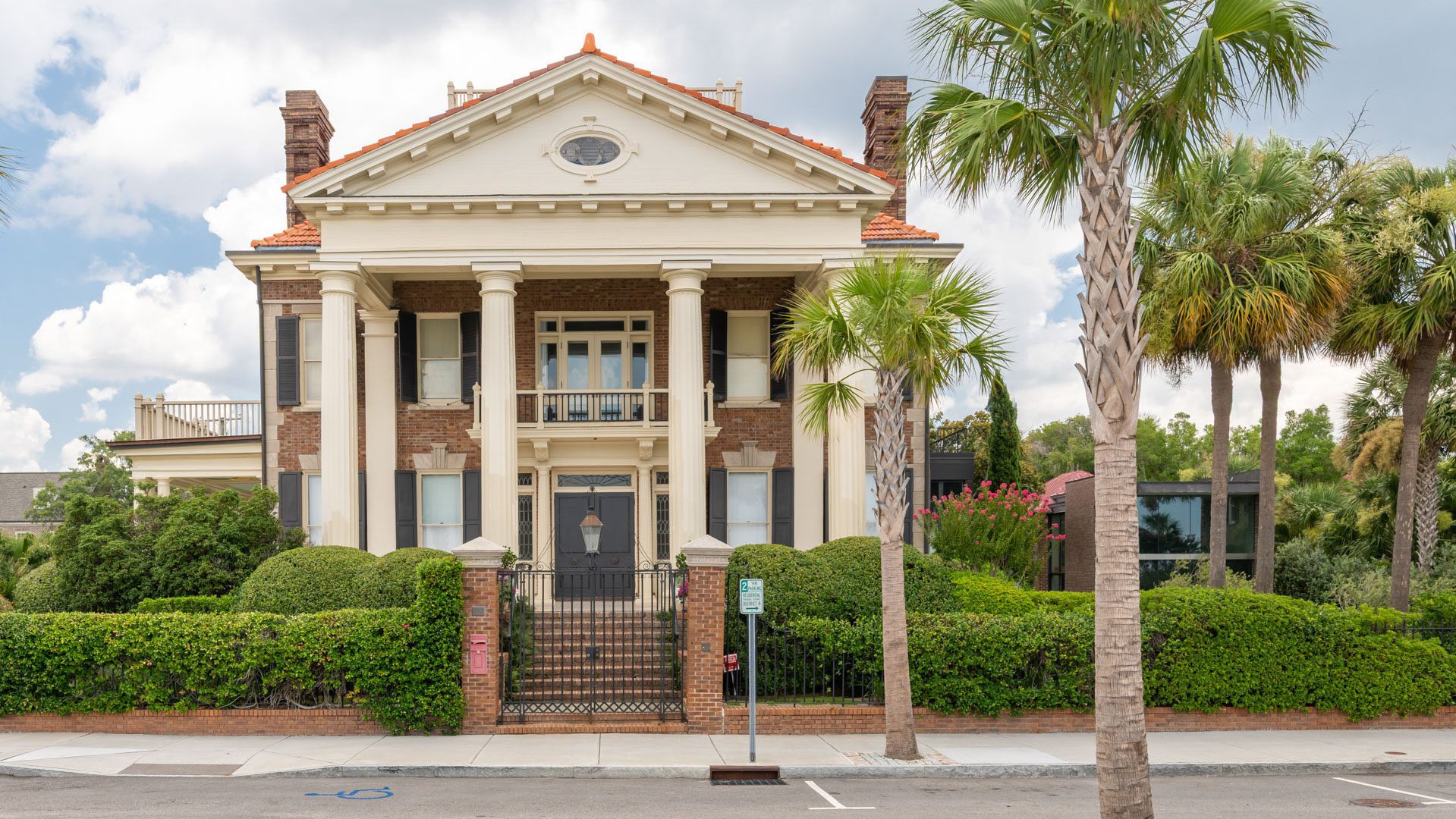
Interior designers Caroline Craft and Gabrielle Pendarvis knew the home at 50/52 Murray Boulevard had a bold spirit the moment they walked through the door. After more than a century overlooking Charleston Harbor, the historic property had developed the kind of character that only time, place, and a succession of owners could create.
Designed by Walker and Burden in 1908, the residence was the first home constructed along the waterfront and intentionally stood taller than its neighbors. Its commanding presence reflected the ambition of a developing neighborhood, much of which was funded by prominent merchant and philanthropist Andrew Murray, for whom the boulevard was named.
Over the decades, the home’s interior evolved with its occupants. But when a new owner purchased the property in 2022, it entered an entirely different chapter, one that would introduce a decidedly modern personality beneath its historic façade.

“The new owner loves Charleston, and he wanted to make this house more of a home,” Craft said. “He wanted to put his own twist on it,” Pendarvis added. “He has a unique personality, and we wanted to make sure we showcased that throughout the design process.”
For the designers, that personality became the driving force behind the renovation. The homeowner’s enthusiasm for life, entertaining, and his connection to the coast offered an opportunity to approach the historic residence with a fresh perspective.
“He’s the definition of living life to the fullest,” Craft said. “He’s not scared to try something new, and he has a real coastal side to him, so we leaned into that throughout the entire project.”

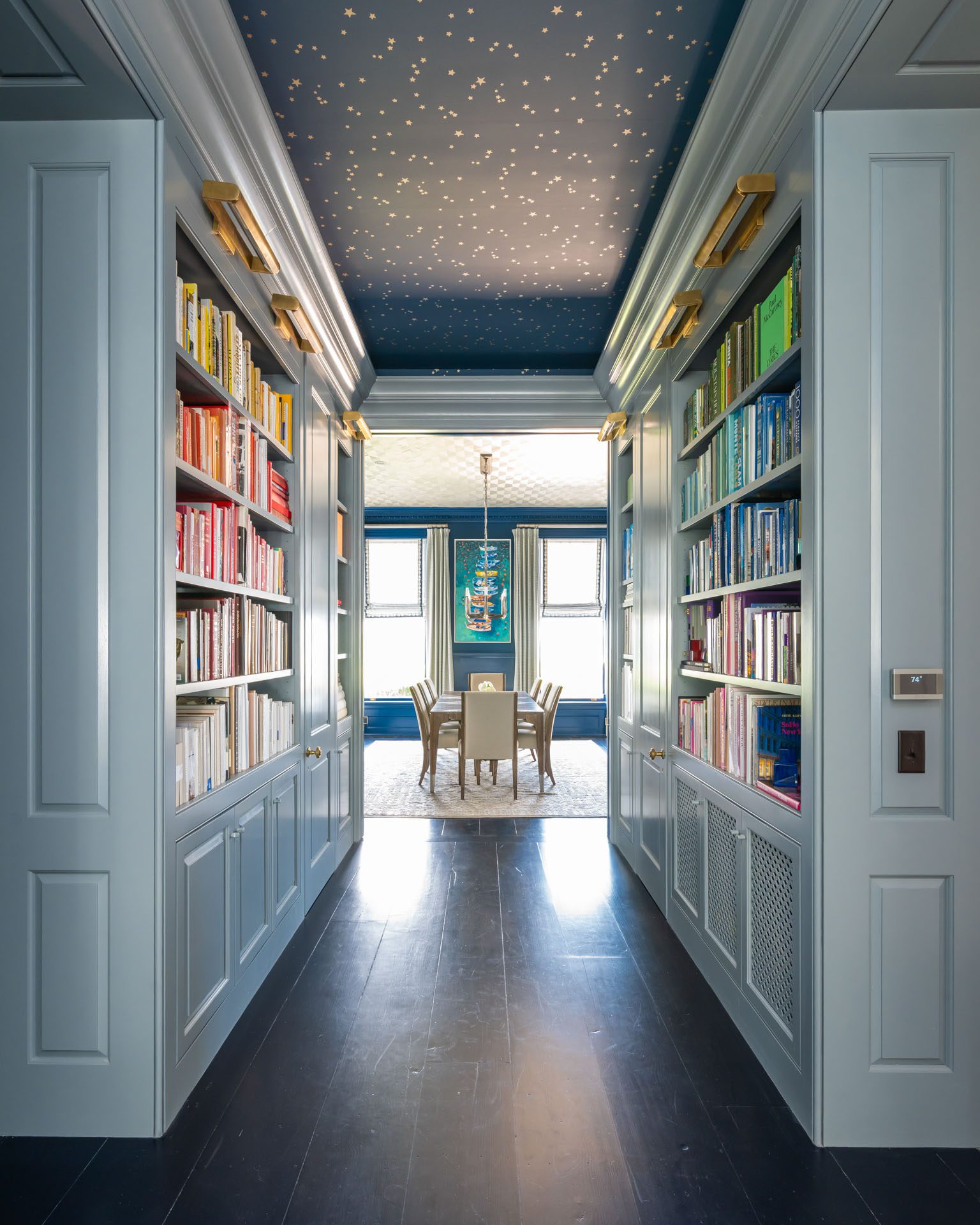
Rather than attempting to recreate the home’s original interiors, Craft and Pendarvis embraced the contrast between its architectural heritage and the owner’s contemporary sensibilities. The resulting design introduced a new energy to the property, balancing the confidence of its historic exterior with an equally expressive interior.
That relationship between past and present became central to the project. The home’s history provided a foundation, but its future belonged to someone with an entirely different vision for how the rooms should look, feel, and function.
In many ways, the transformation reflects the same independent spirit that shaped the residence more than a century ago. What began as an ambitious addition to Charleston’s waterfront continues to make a statement, this time through the personality of the people who call it home.

Discover more of the home’s remarkable transformation, including additional photography and design details, in the full feature in Charleston Home + Design magazine.


Advertisements


Website Development & Hosting by: Colophon
© Copyright 2026 Charleston Home + Design Magazine. All rights reserved.