Advertisements

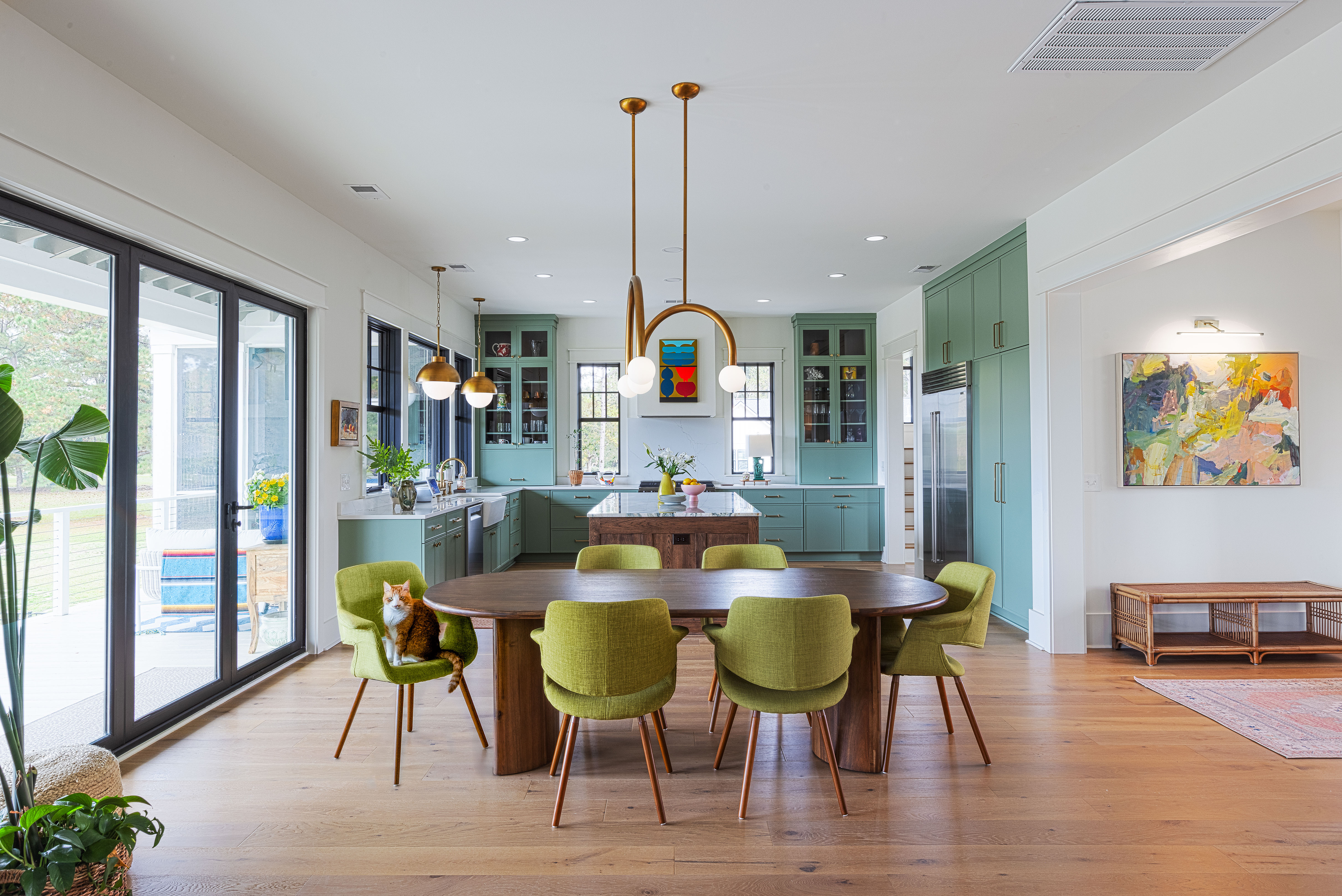
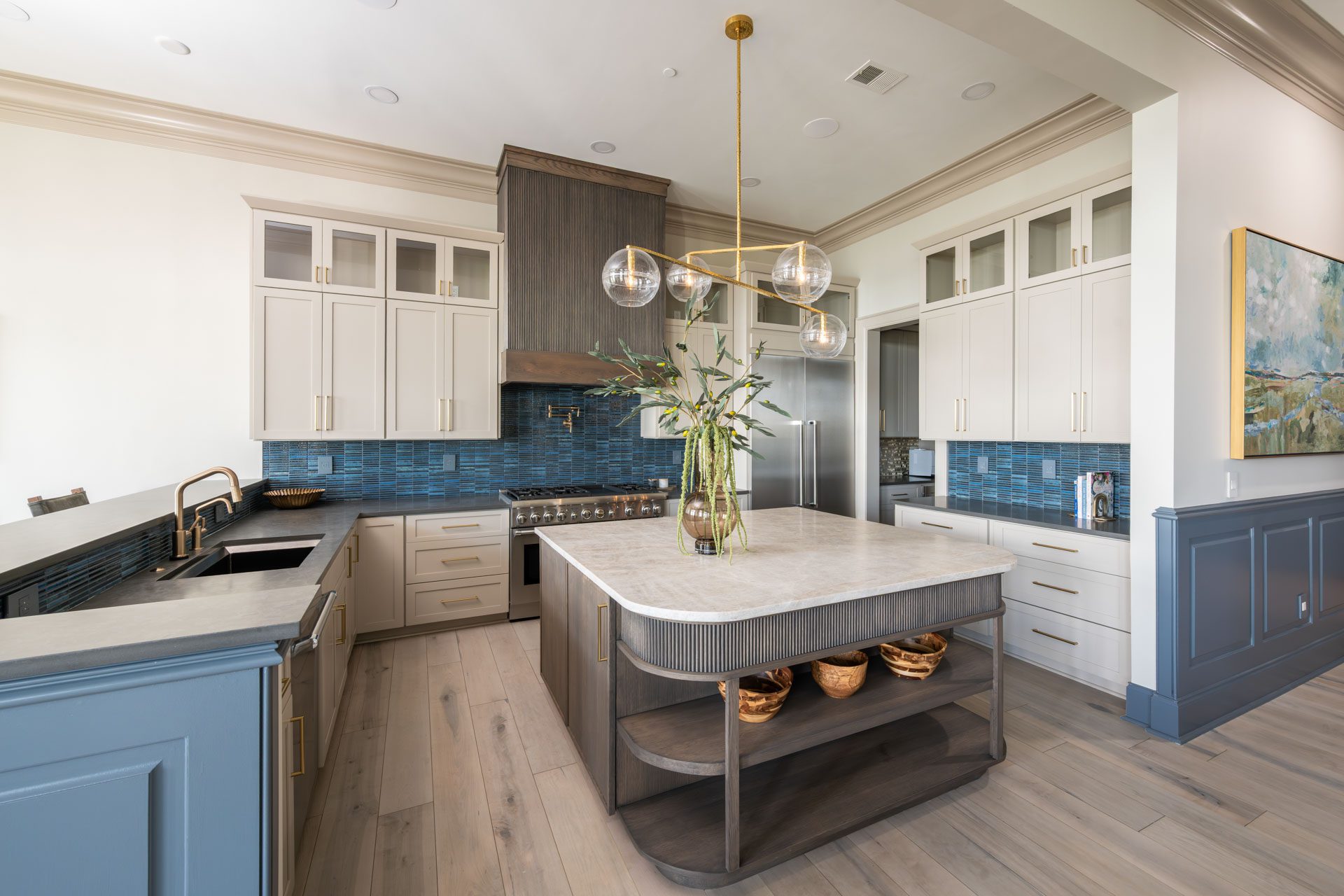
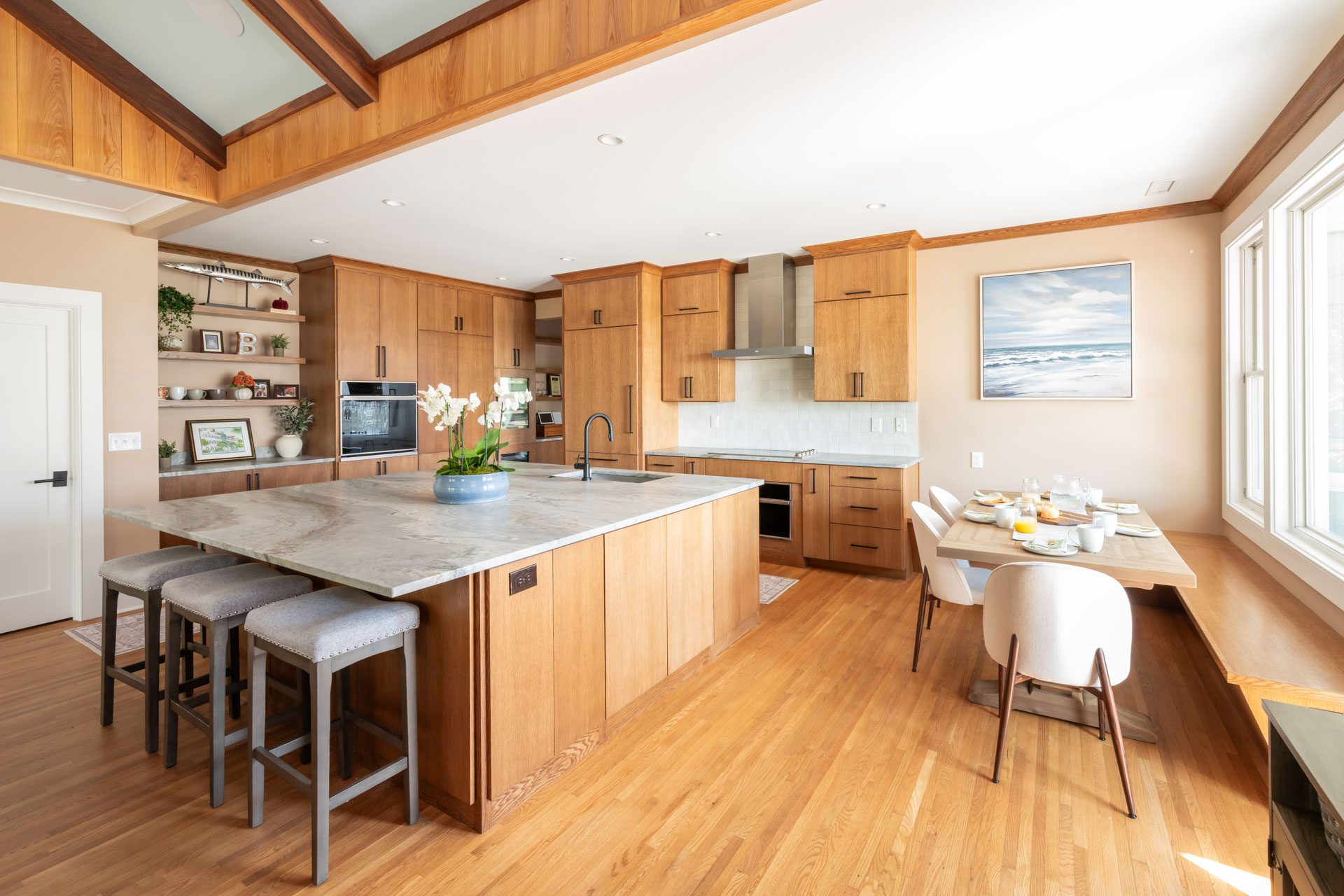
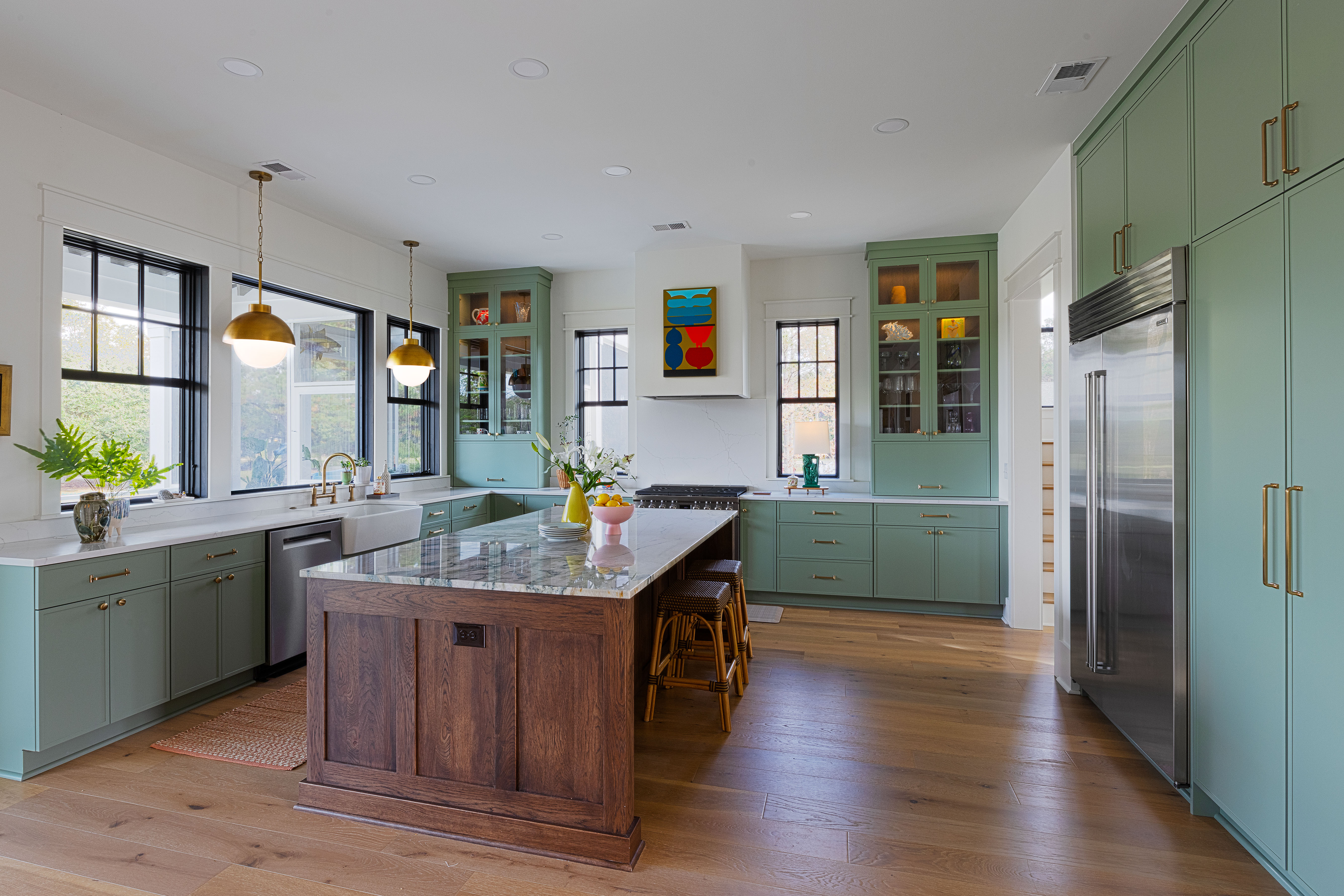
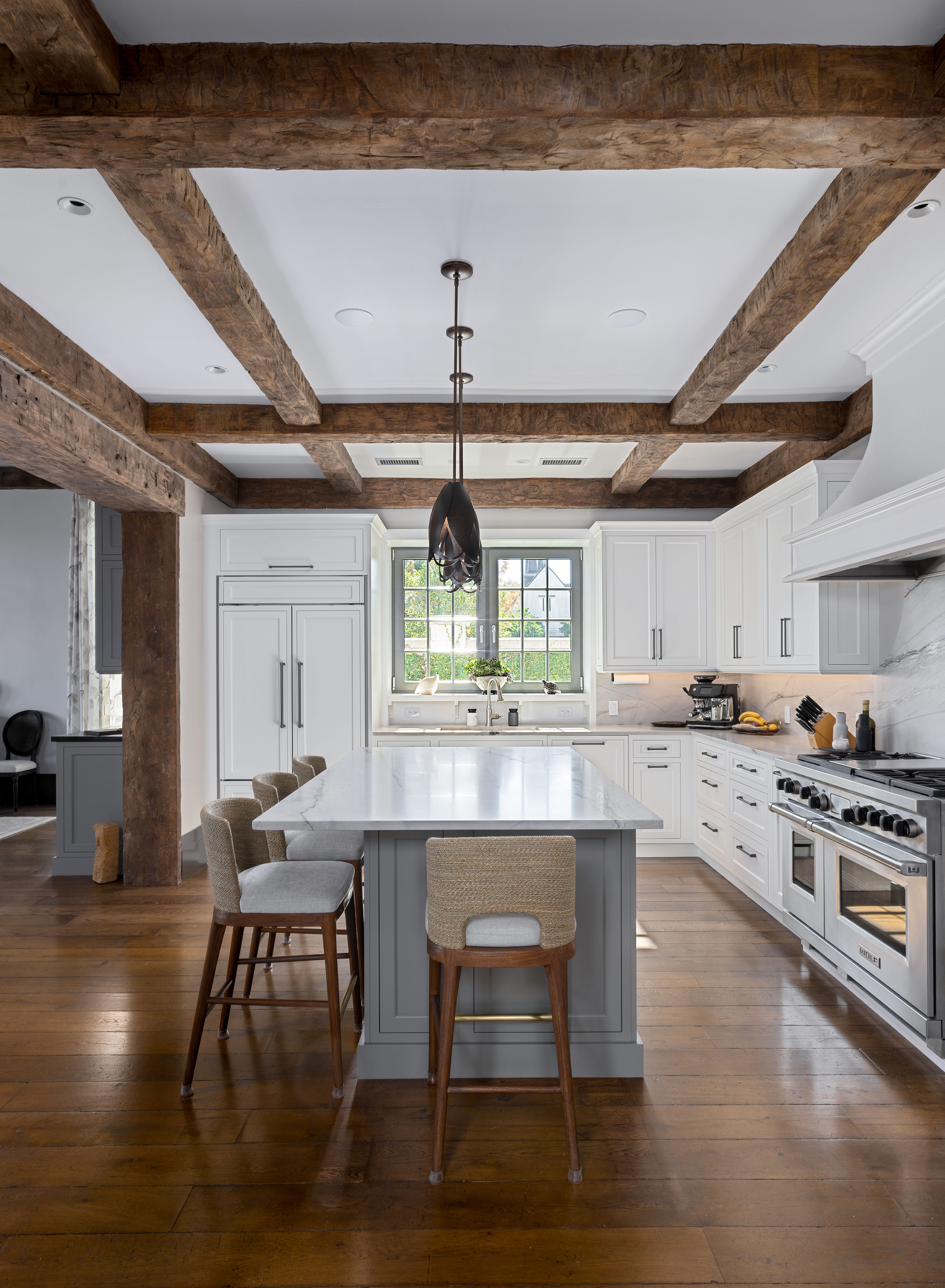
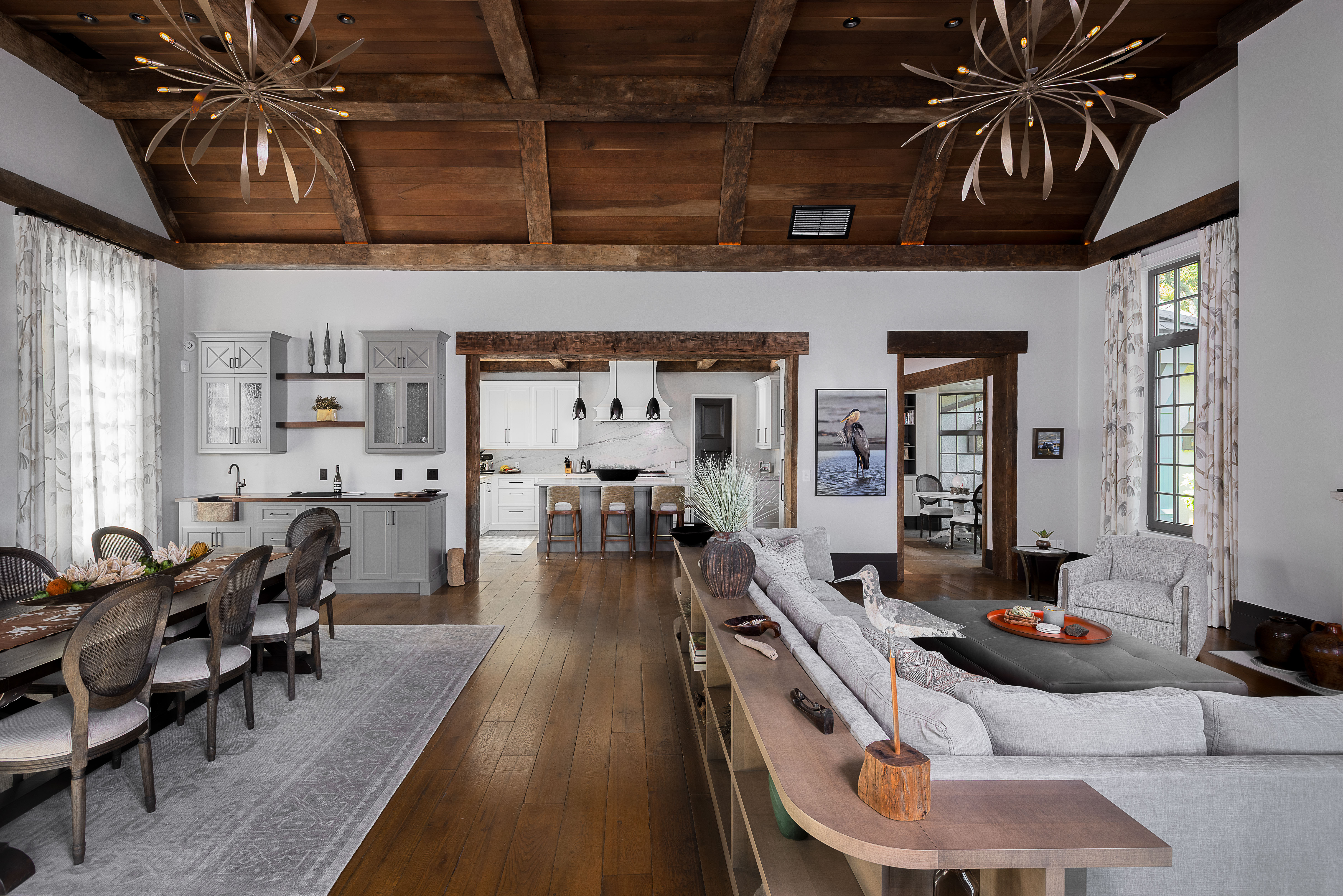
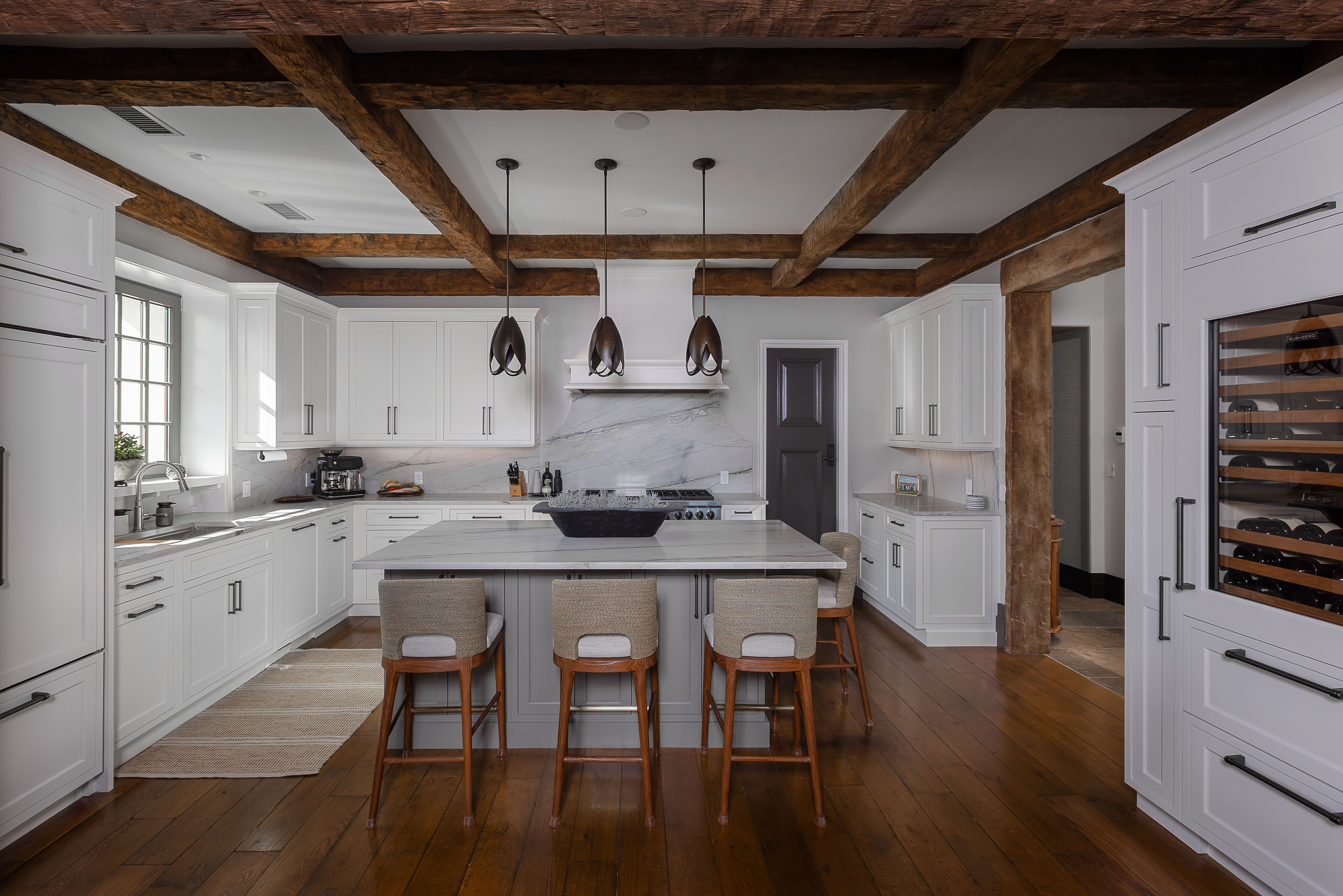
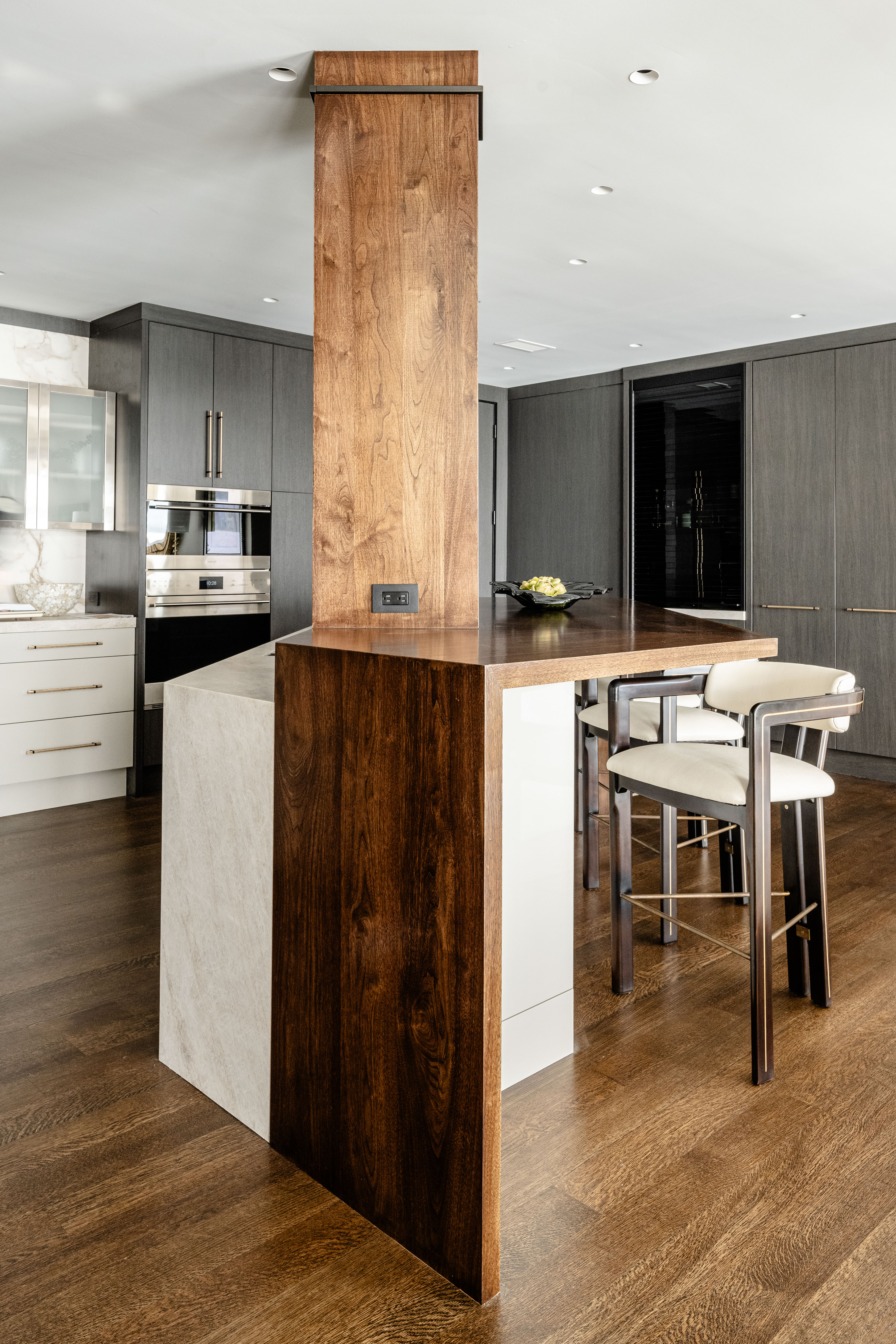
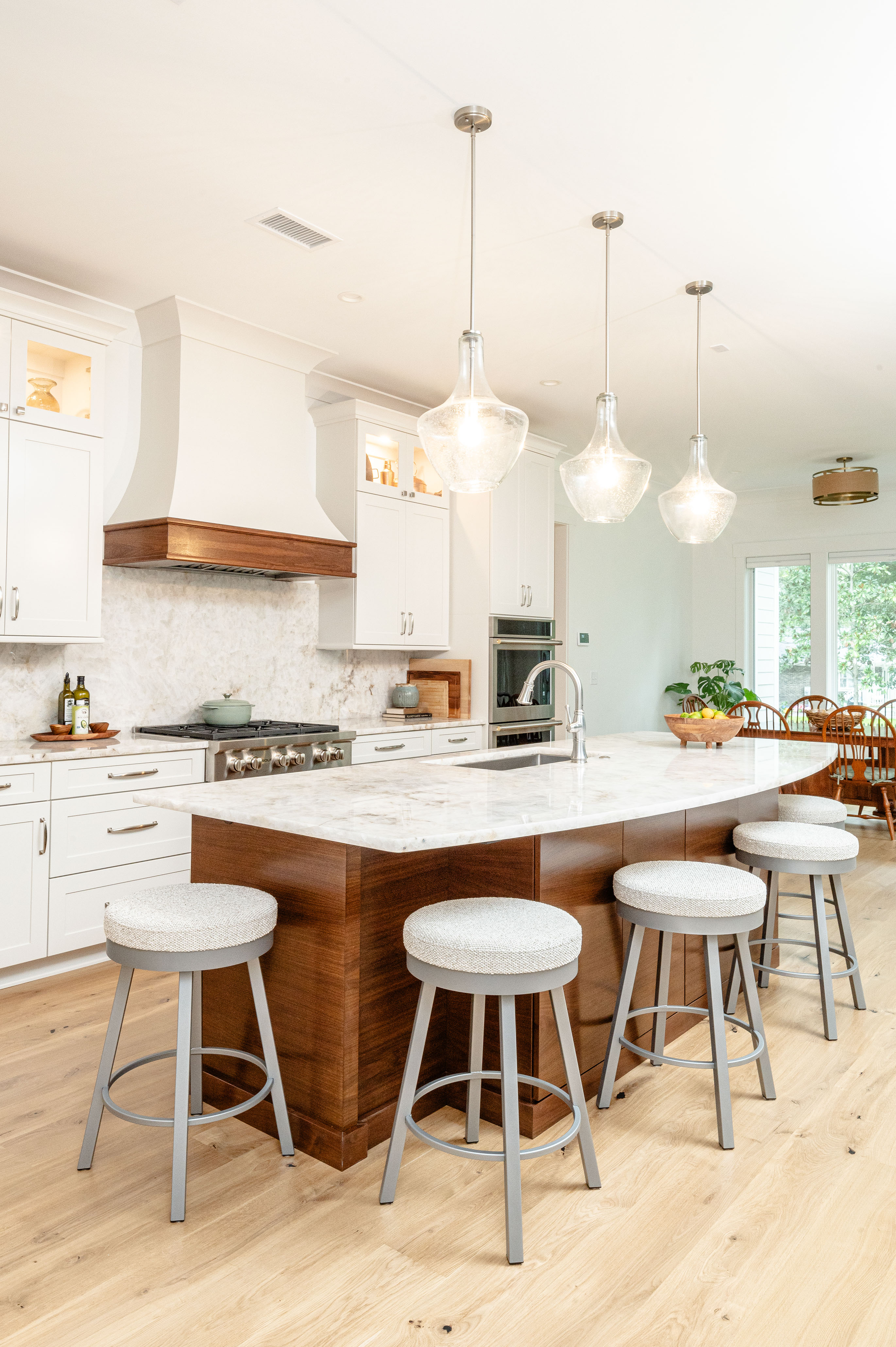
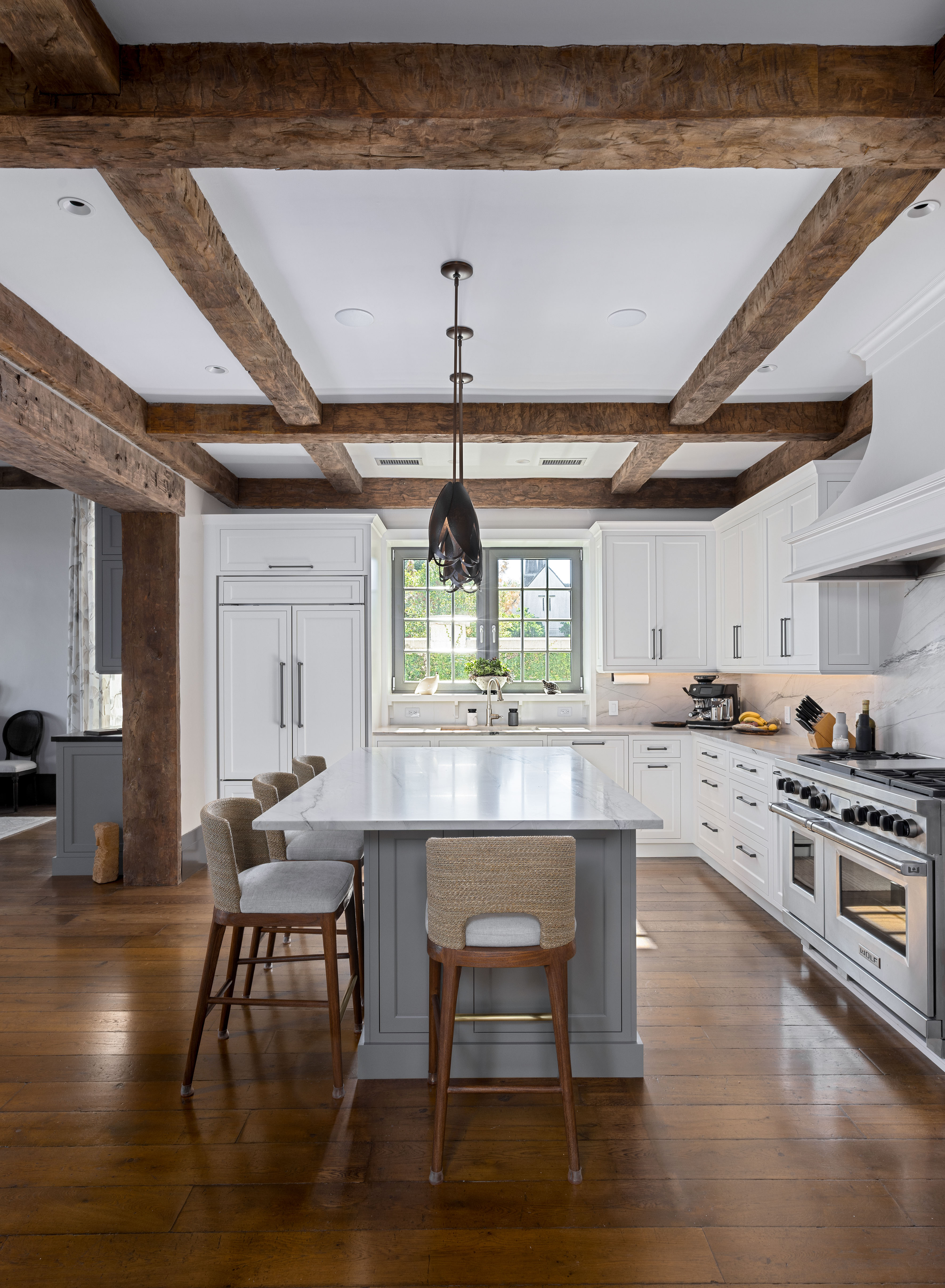
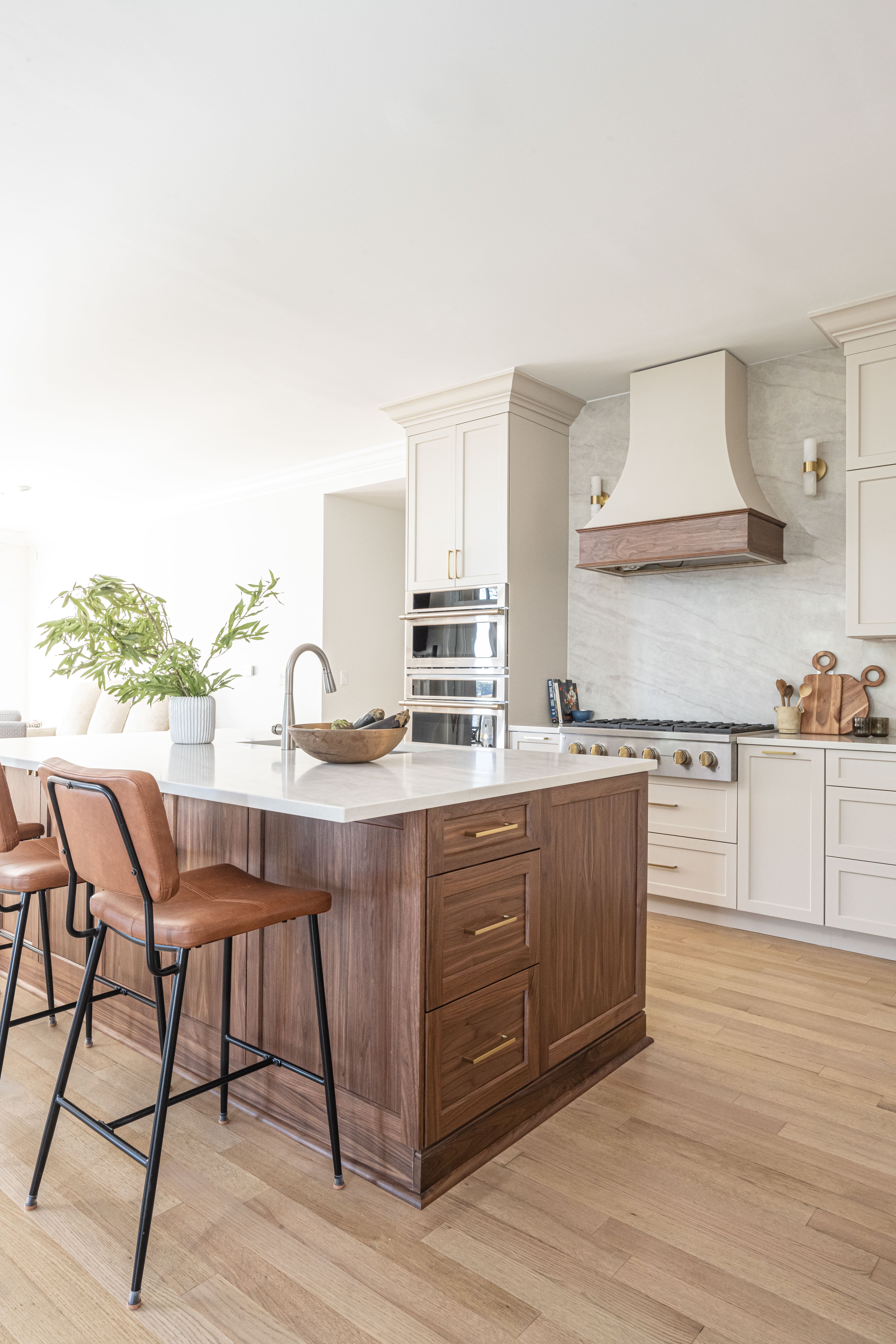
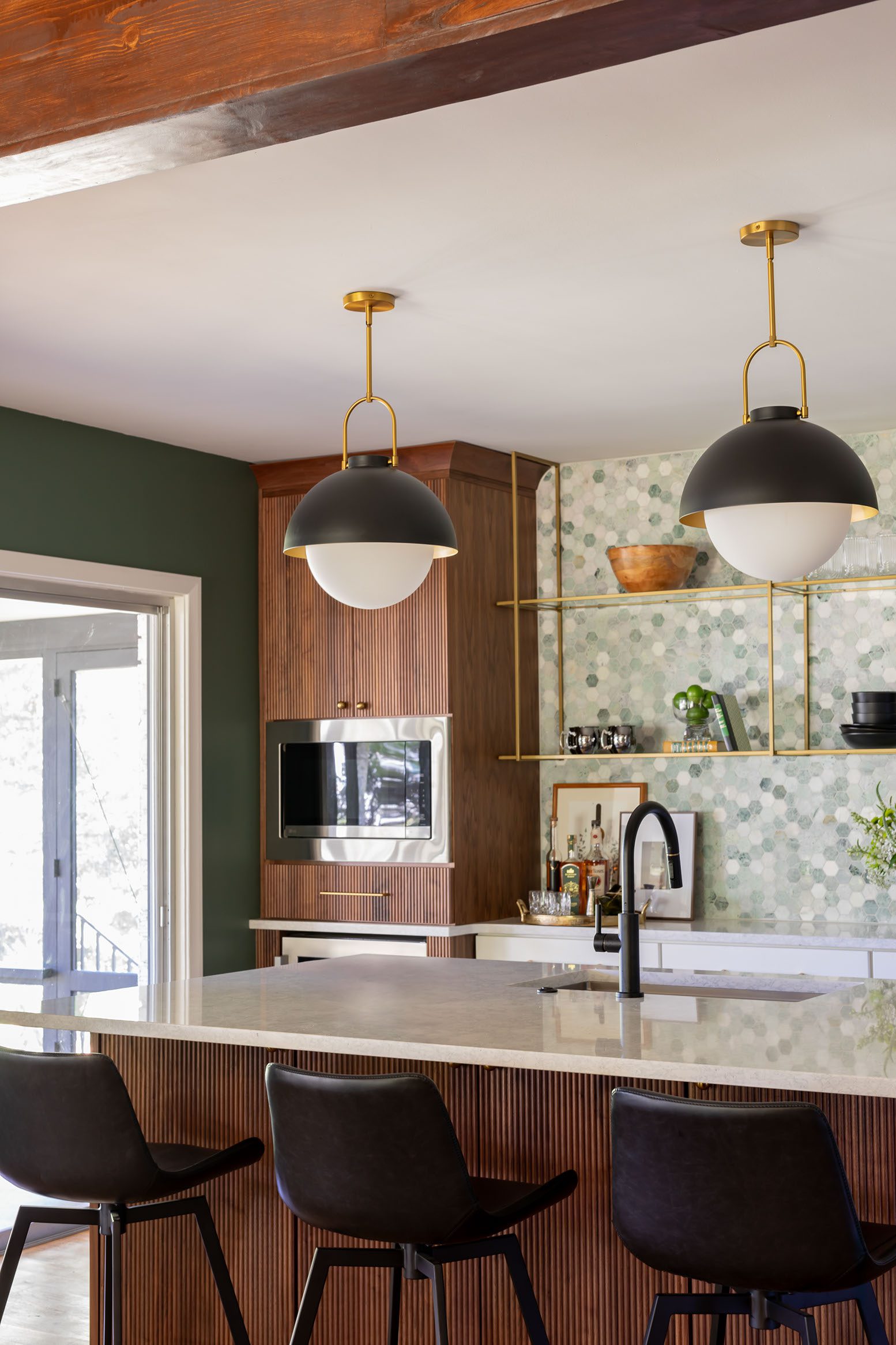
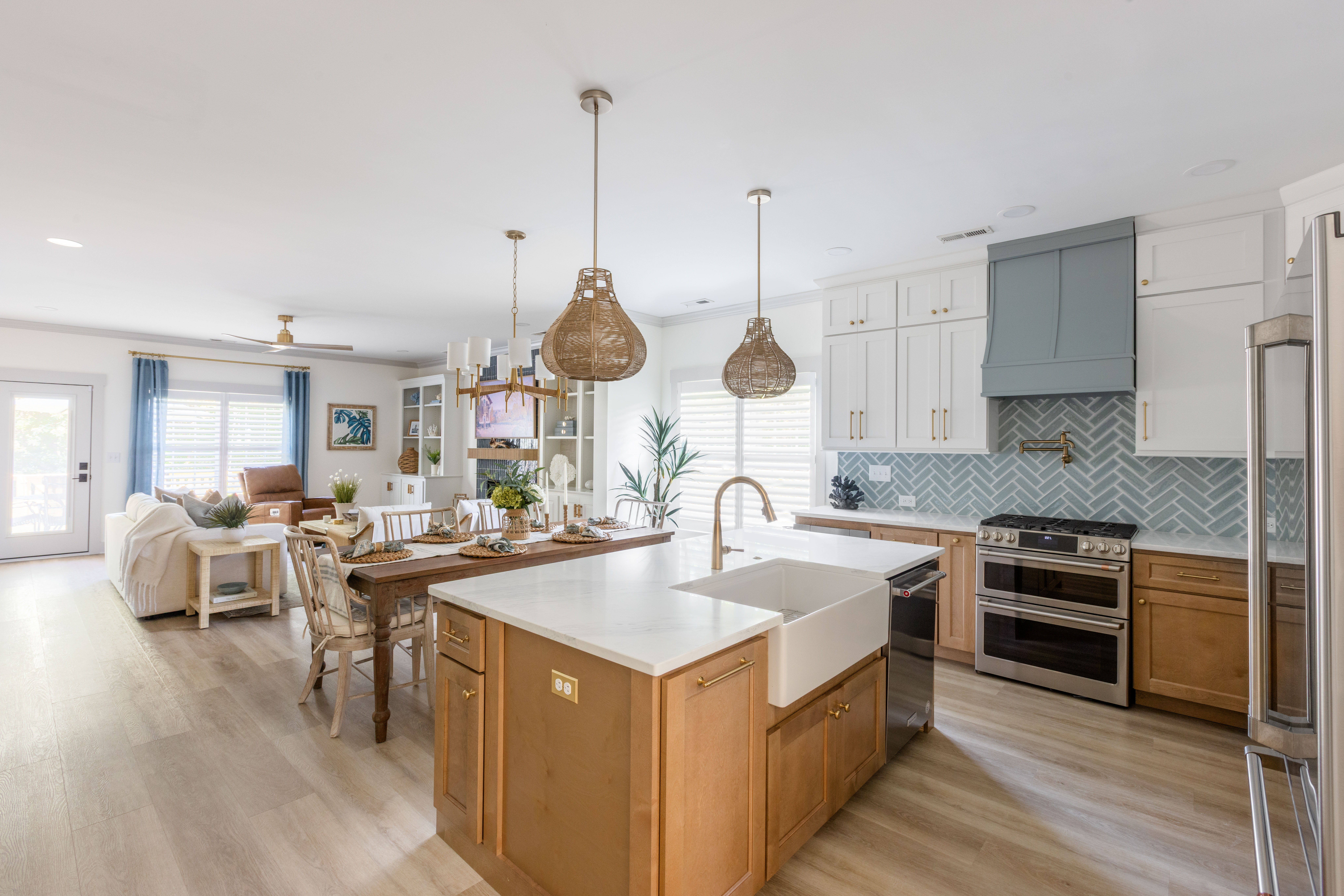
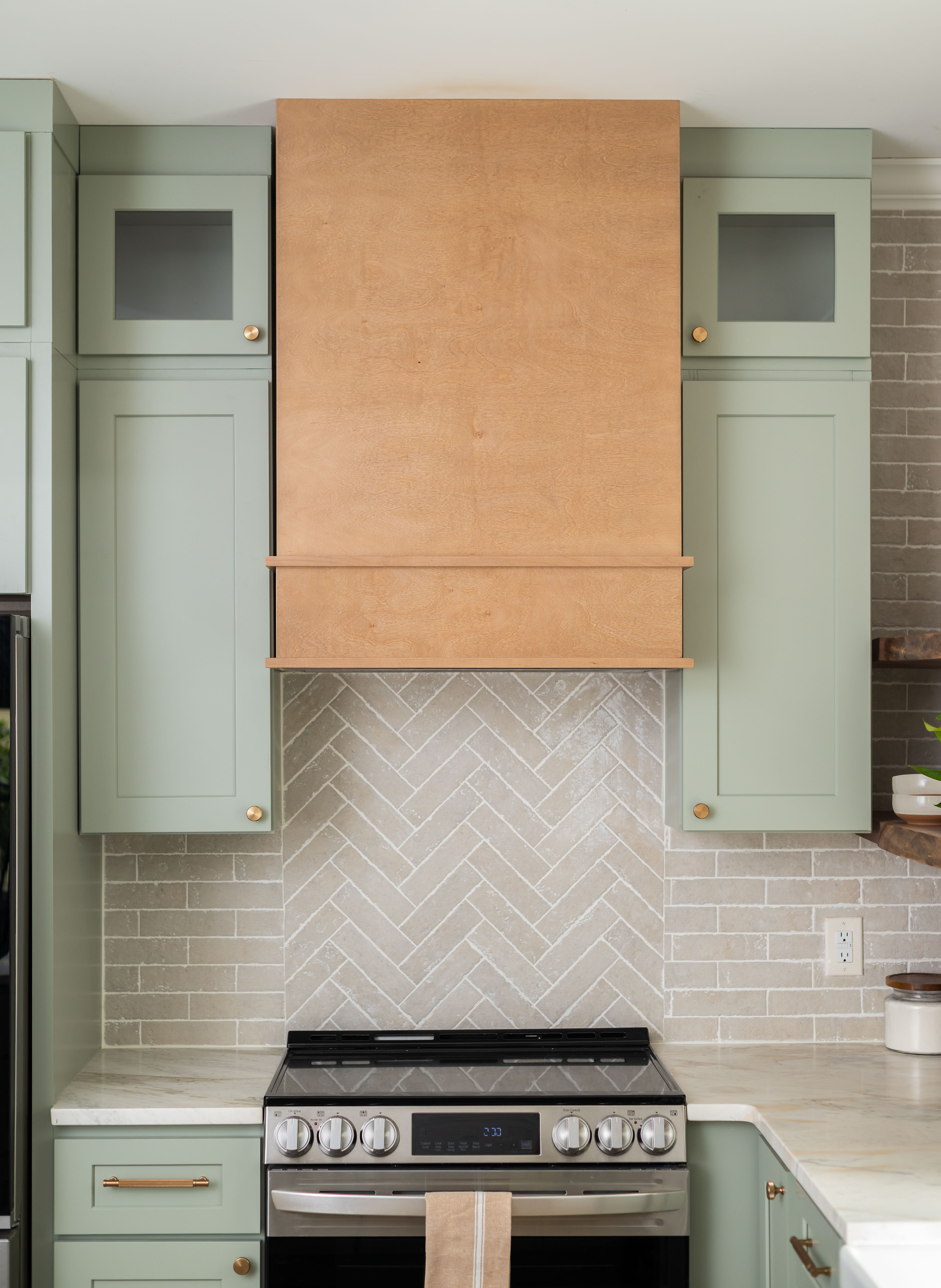
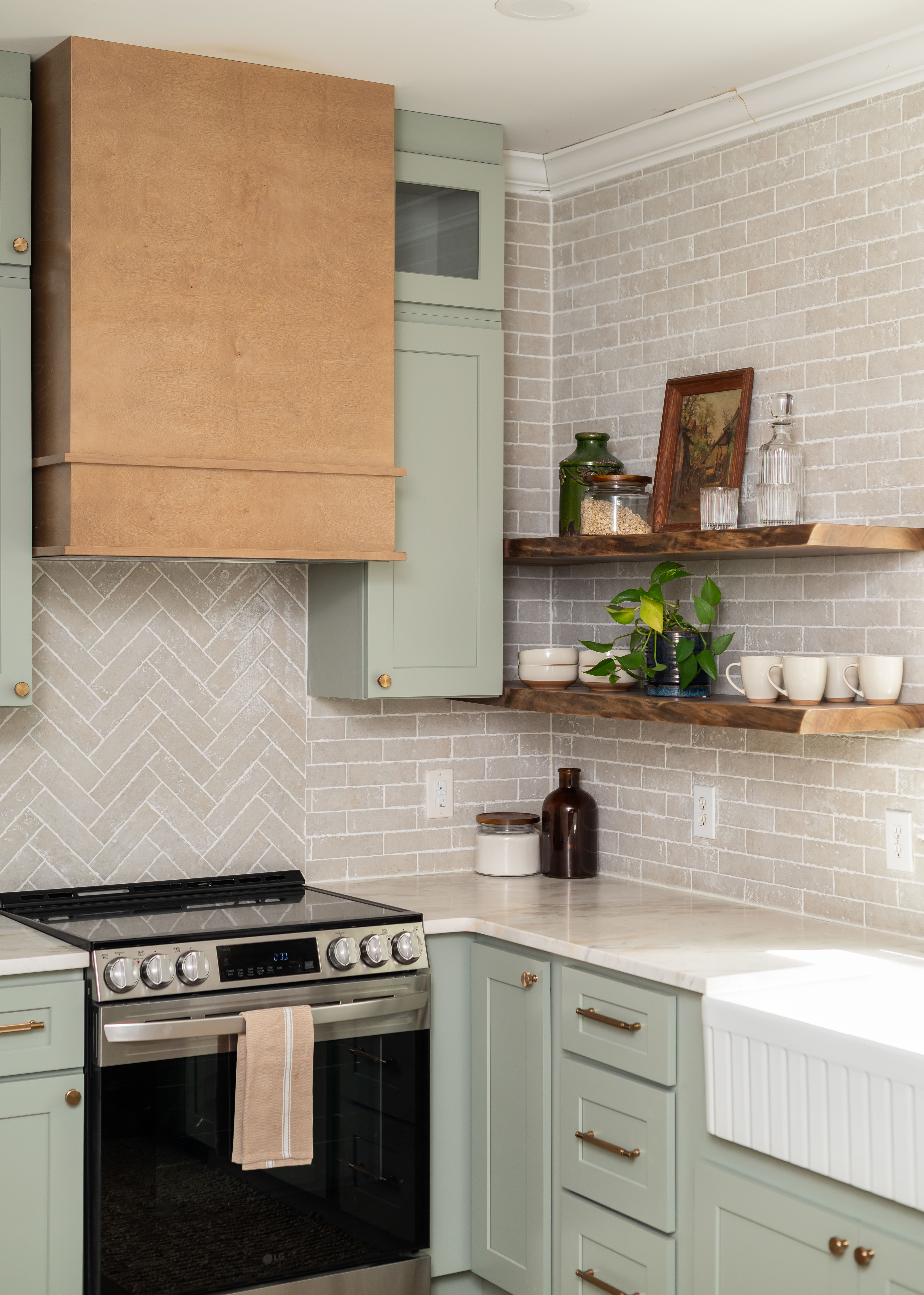
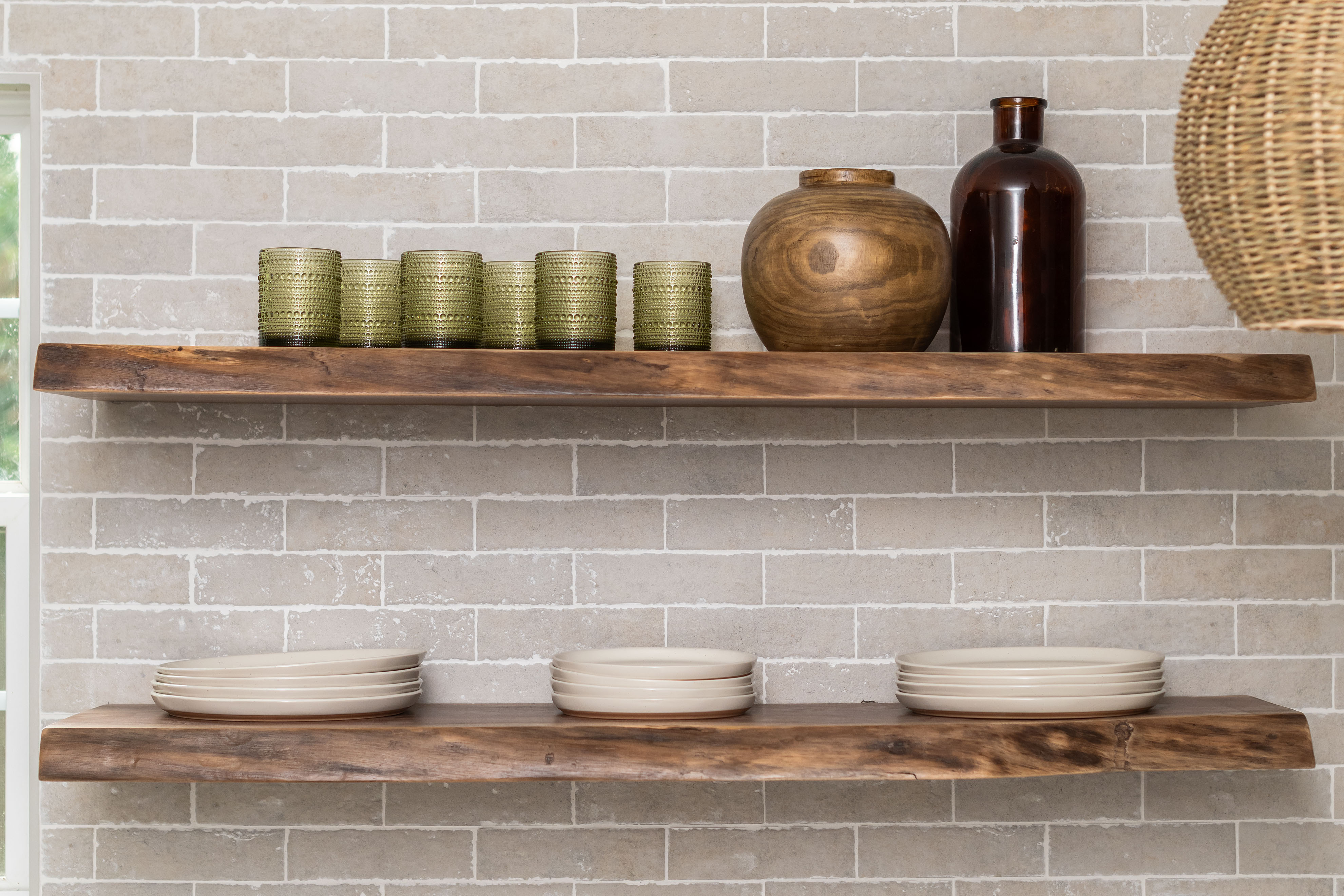
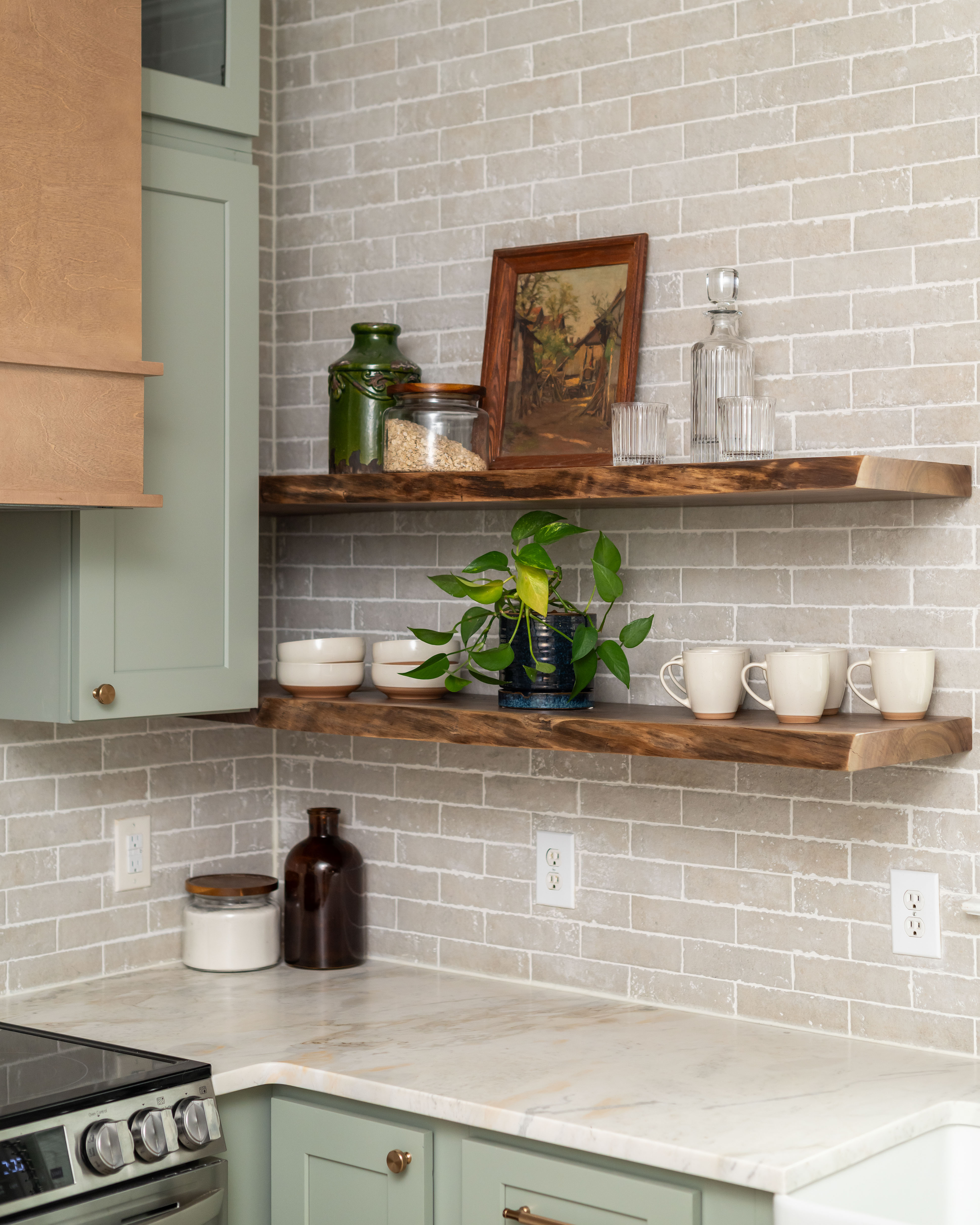
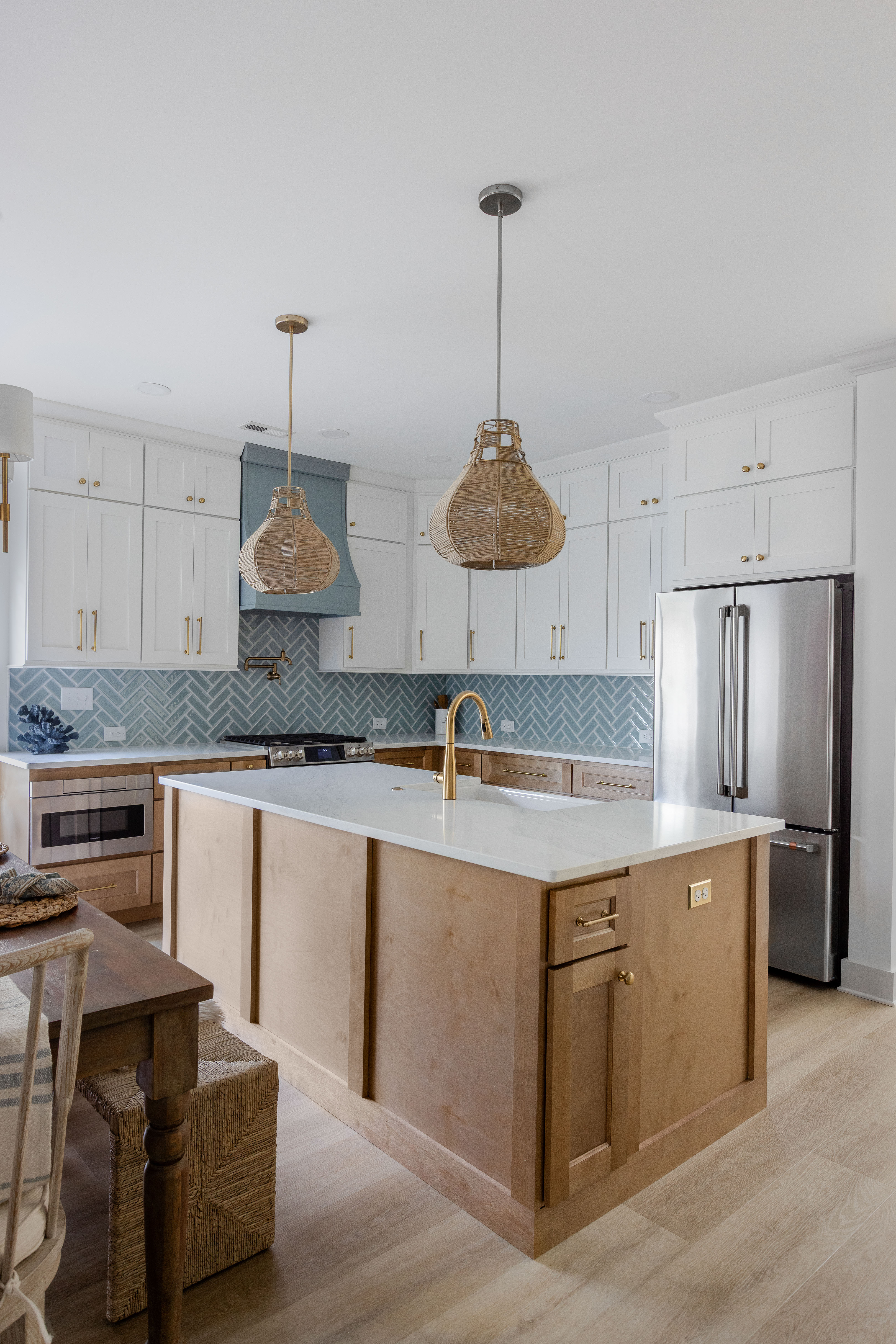
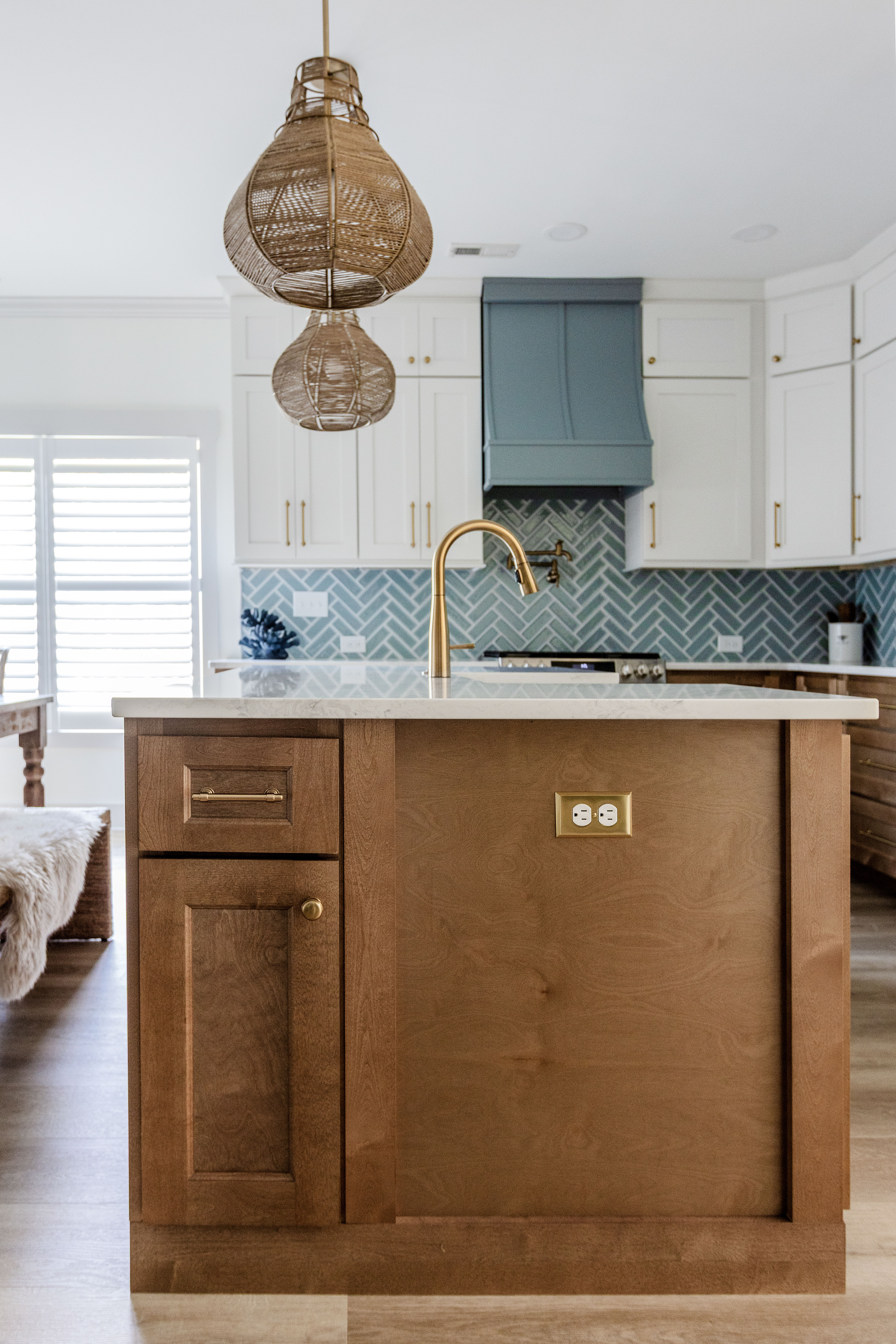
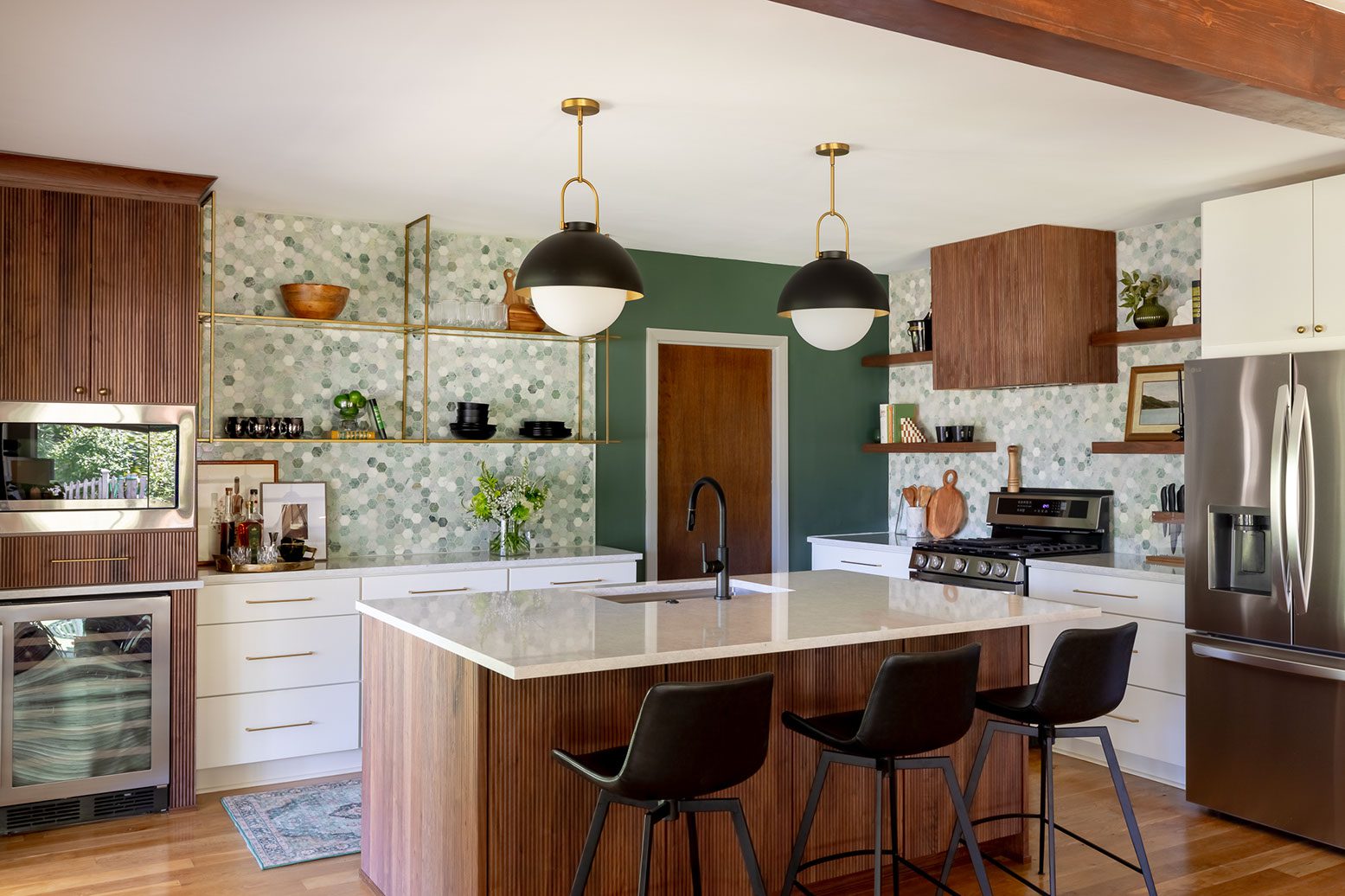
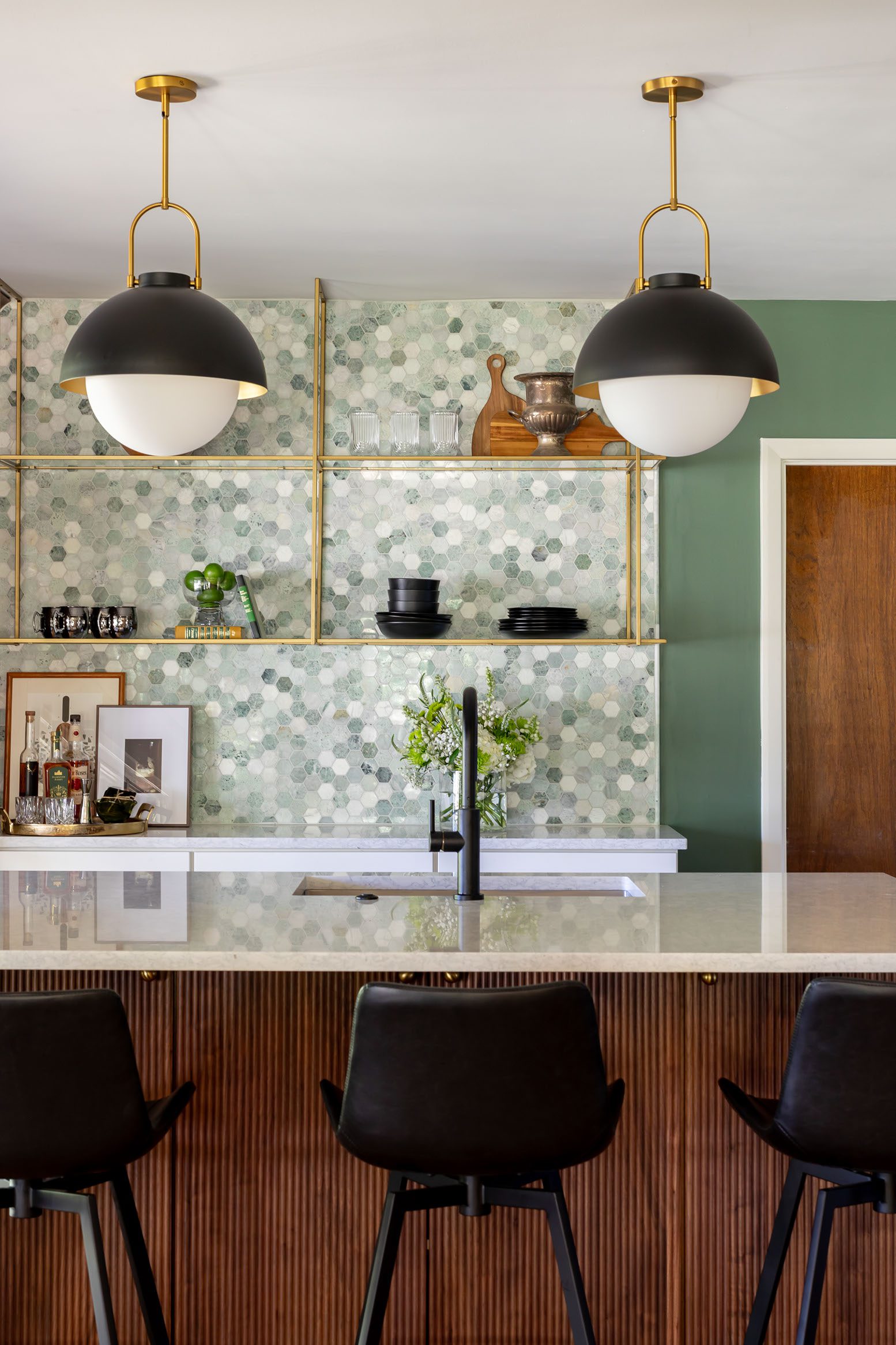
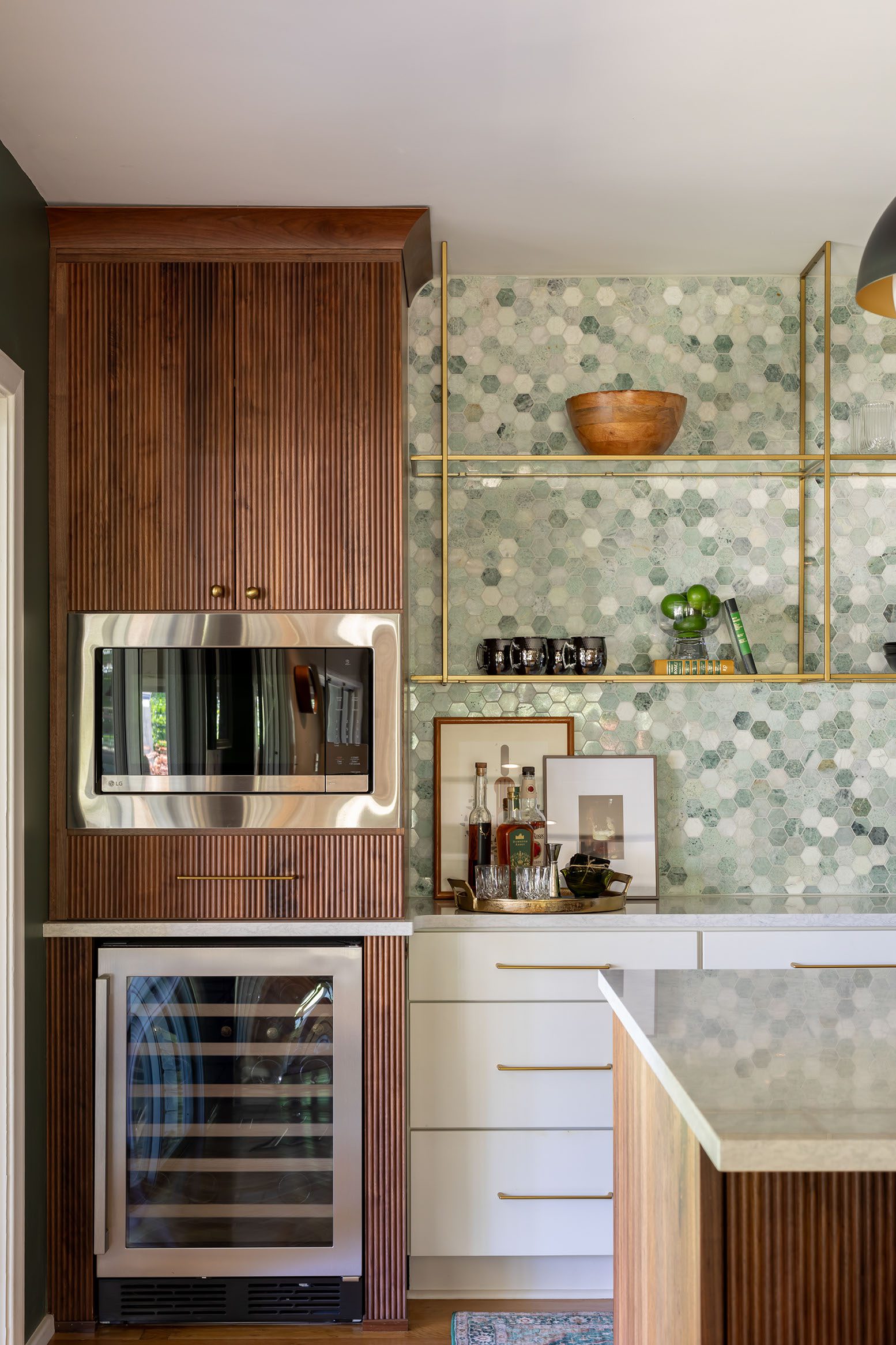
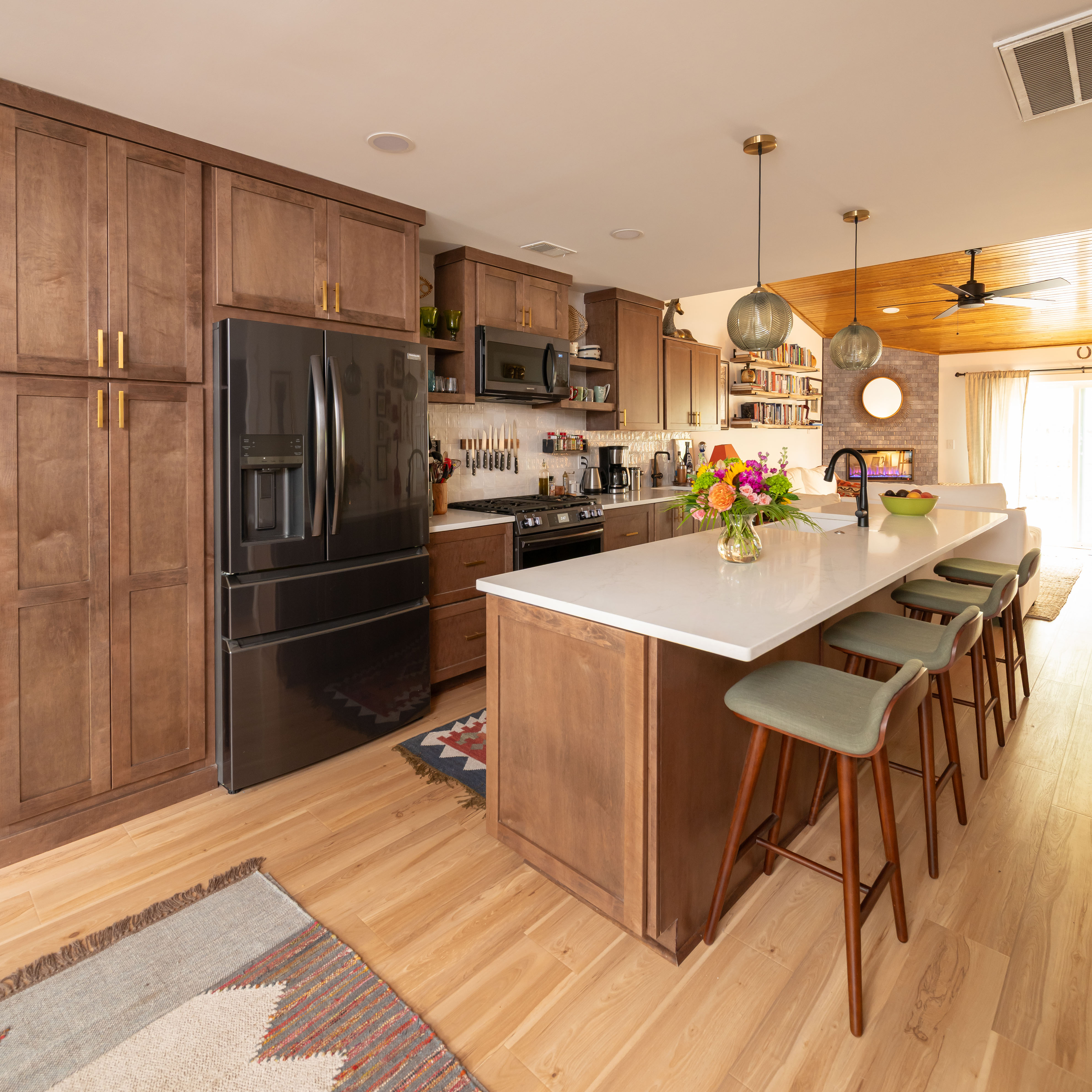
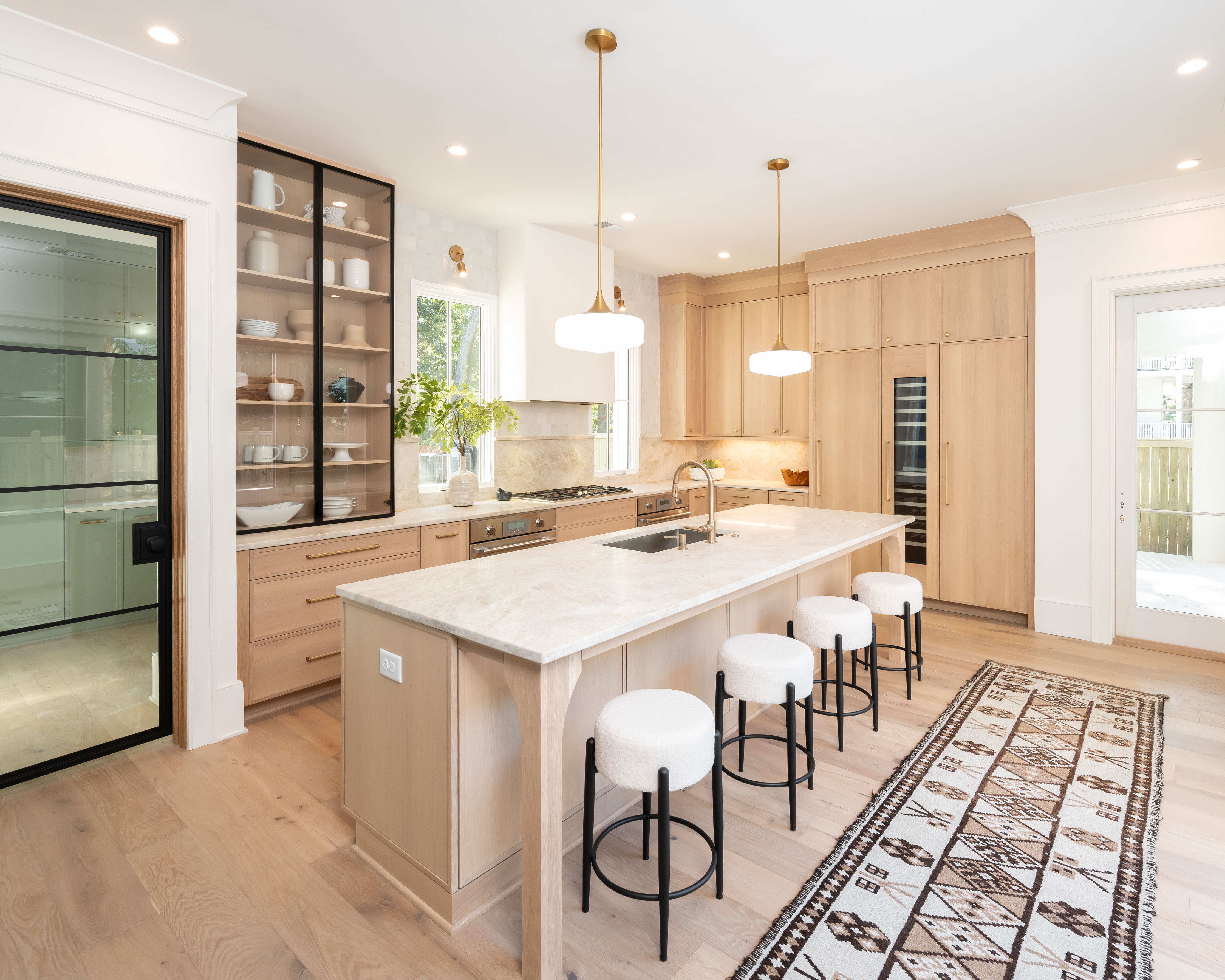
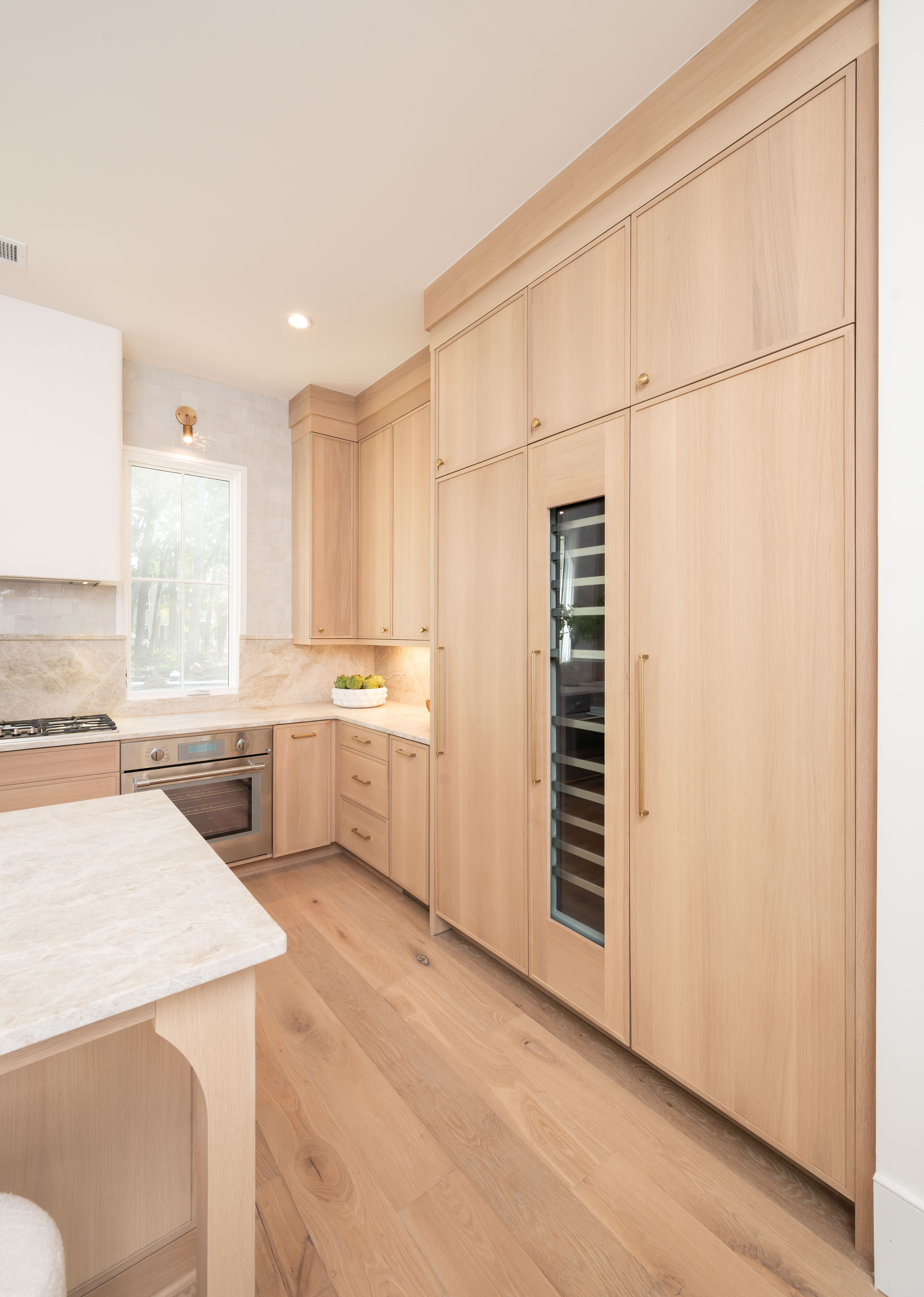
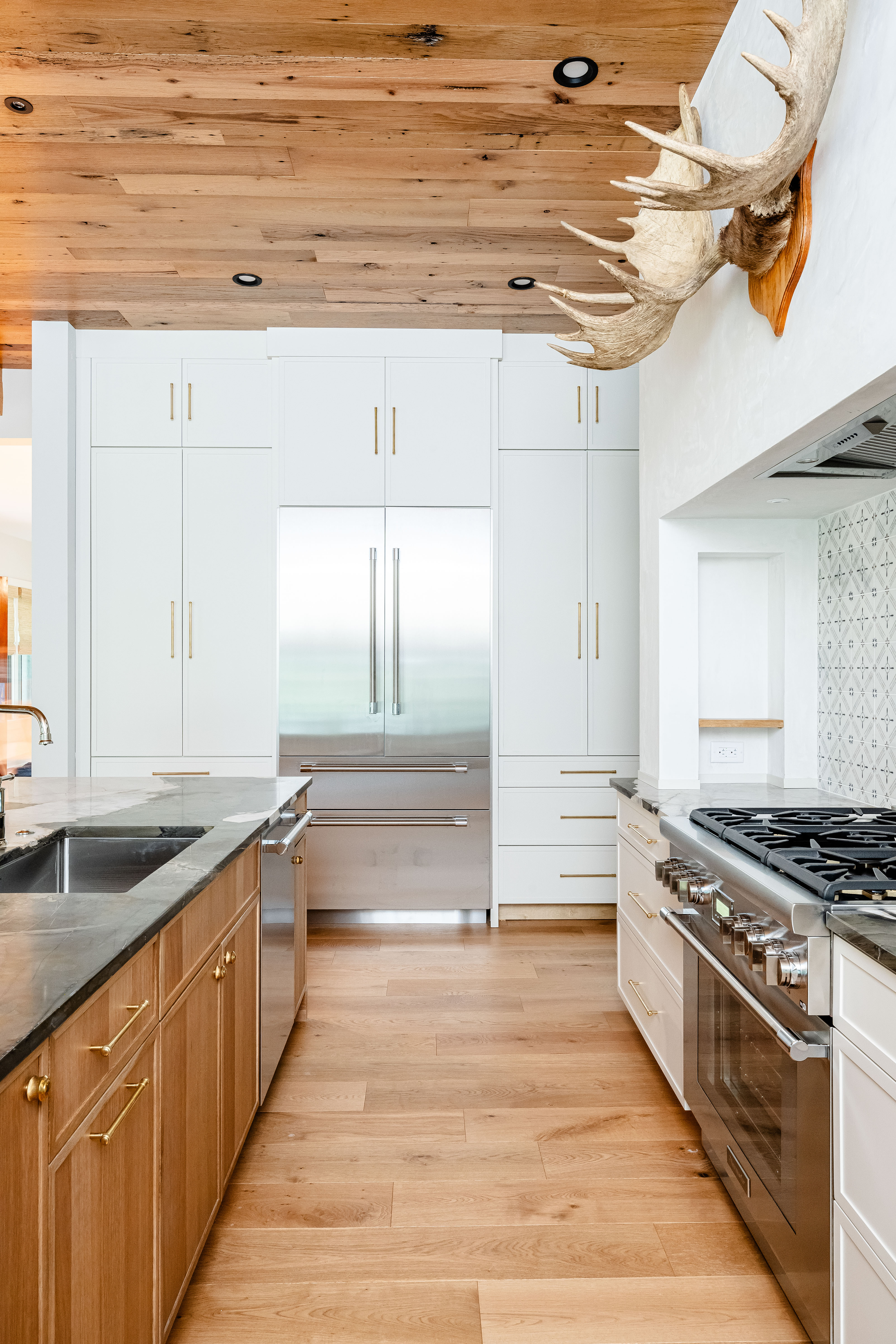
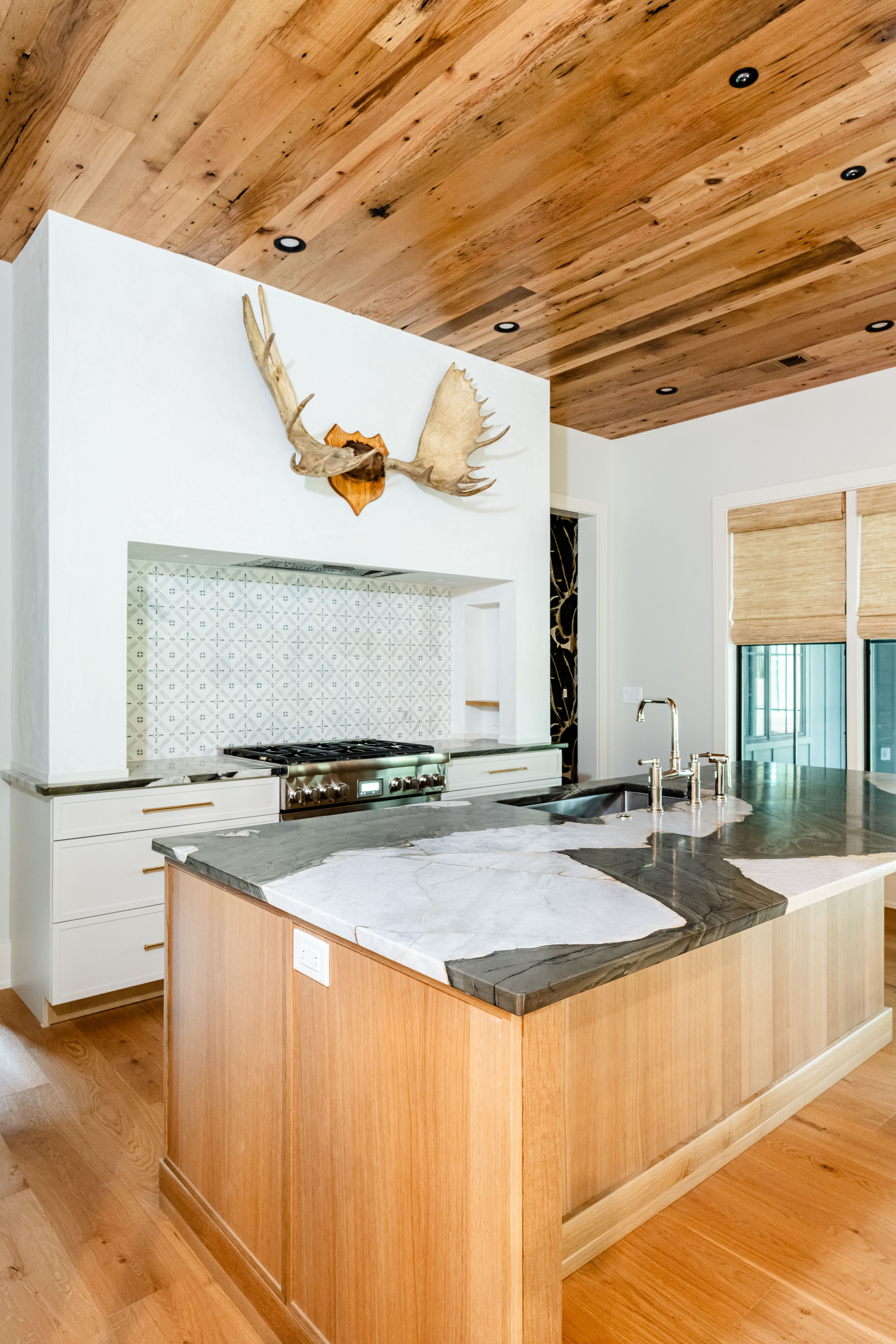
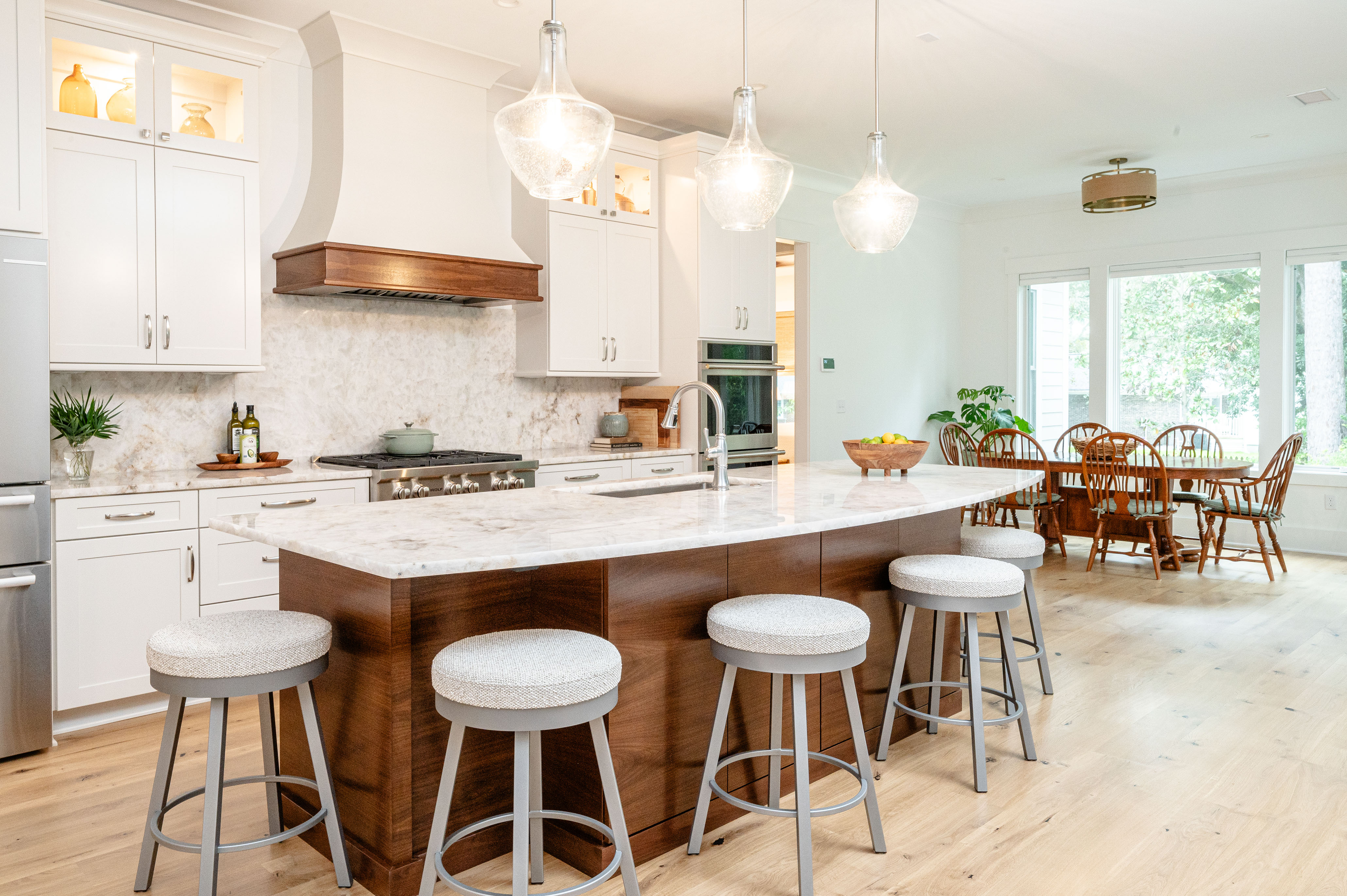
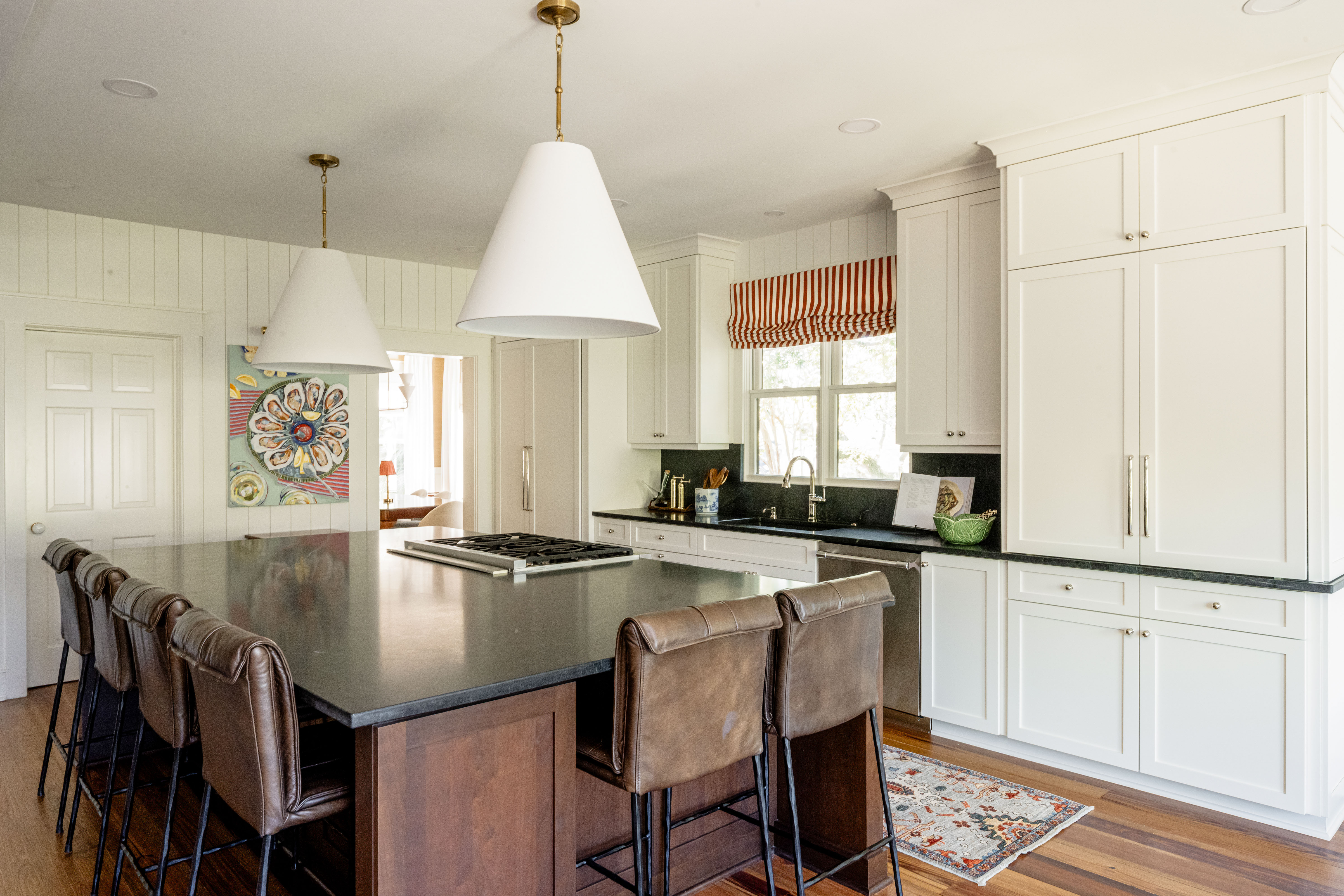
A recent national report of 2026 Kitchen Trends indicates wood will take the lead in kitchen design this year. For more than a decade, the all-white kitchen set has set the standard for a clean, timeless look. Today, designers and homeowners are shifting toward a warmer interpretation of neutral. Natural wood has moved from supporting role to main character, appearing on islands, cabinet runs, range hoods, and other custom details that instantly soften a space. The rise of wood in kitchen design is not a sudden trend, but it reflects a broader move toward interiors that feel grounded, tactile, and lived-in, while still reading as fresh and modern.
After years of bright white cabinetry, many kitchens started to feel a little flat. Homeowners still want light, airy spaces, but they also want character. Natural wood delivers both. Light white oak, rift-sawn oak, and even softer walnut introduce movement through the grain rather than relying on intense paint colors. The result is a kitchen that still feels clean and edited, with more depth and visual interest. There is also a practical side. Painted cabinets can chip and show wear, especially in busy households. Stained or sealed wood is more forgiving. A small scuff that would stand out on a solid white door usually disappears into the pattern of the grain.
Interior Design by Steven Ortego of Iola Modern, Renovation by Jackson Construction




Advertisements



Website Development & Hosting by: Colophon
© Copyright 2026 Charleston Home + Design Magazine. All rights reserved.