Advertisements

Kitchens Built for Entertaining: 9 Layouts That Prioritize Gathering

In Charleston, where gatherings range from casual weeknights to large celebrations, kitchen layout plays a critical role in how a space performs. Our kitchens do more than support cooking. They host conversations, anchor parties, and shape how we live within the space. This year, we saw Charleston homeowners planning their kitchens as social hubs first. Instead of rigid work zones, they prioritize flow, flexibility, and connection. These nine kitchen layouts highlight how thoughtful planning creates spaces for gathering, regardless of the home’s size or style.
(Featured Image: Architecture and Interior Design by JOY Architecture + Interior Design)
The Open-Concept Anchor
Open-concept kitchens anchor today’s most social homes. These layouts connect directly to living and dining spaces, allowing hosts to stay engaged while prepping, cooking, or serving.

Cabinets by Charleston Cabinets Inc.
The Oversized Social Island
A large island instantly invites people to gather. In entertaining-focused kitchens, designers extend island depth and length to support comfortable seating rather than quick perches.

Built by Lowcountry Premier Custom Homes
The Double-Island Layout
Double-island kitchens separate function from socializing. One island handles prep and cleanup, while the other supports seating and conversation. This layout works especially well in wide or open floor plans where traffic increases during events. By assigning a clear role to each zone, the kitchen stays organized even when hosting large groups.

The Kitchen-within-a-Kitchen
Back kitchens and sculleries allow hosts to entertain without visual clutter. Designers place heavy prep, secondary appliances, and cleanup areas behind the scenes, keeping the main kitchen guest-facing. This layout supports seamless entertaining. Guests experience a polished space, while the working kitchen stays active out of sight. Frequent hosts often choose this approach for its practicality and polish.
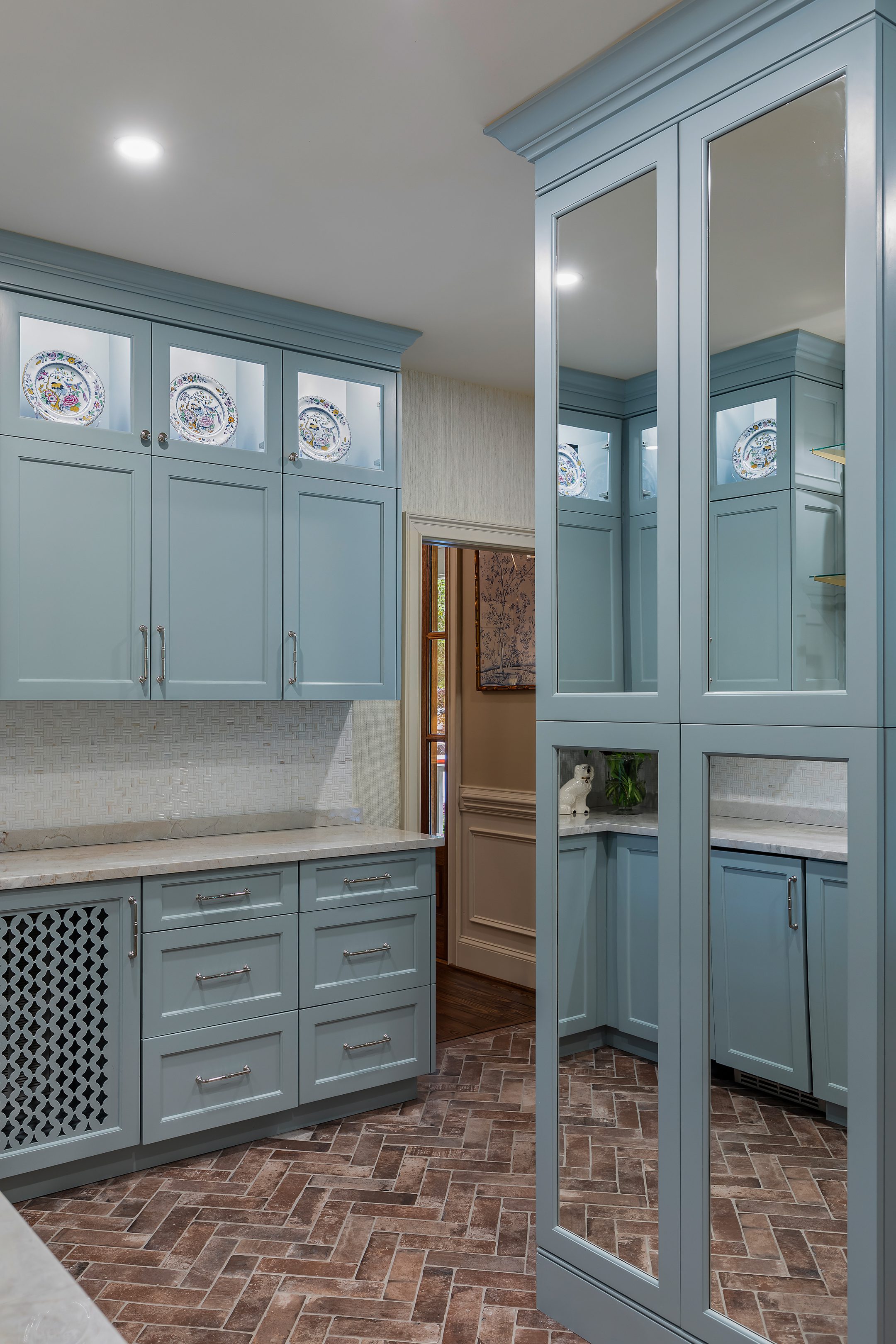
The U-Shaped Conversation Layout
U-shaped kitchens naturally encourage interaction. Counters and seating wrap around the cook, keeping everyone involved in the action. This layout reduces travel between zones and works particularly well in smaller kitchens. When designers add seating along one leg or incorporate open shelving, the space feels inviting rather than enclosed.

The Indoor-Outdoor Connector
Charleston entertaining often moves between indoors and out. Kitchens designed with strong indoor-outdoor connections support that lifestyle with large sliders, folding doors, or pass-through windows. Designers often pair these layouts with outdoor-adjacent beverage centers or grilling zones. Durable materials and easy-clean finishes ensure the kitchen handles heavy traffic while maintaining its visual appeal.

Built by Daly & Sawyer Construction
The Bar-Forward Kitchen
Bar-forward kitchens prioritize entertaining over meal prep. These layouts incorporate wine storage, beverage refrigerators, ice makers, and wet bars directly into the kitchen design. Seating encourages guests to linger, while layered lighting allows the space to transition easily from daytime use to evening hosting. This layout suits cocktail parties and casual gatherings where conversation takes center stage.

Built by Blue Ocean Builders with Cabinetry by Butler Woods Purposeful Designs
The Central Kitchen Hub
In homes with multiple gathering spaces, designers often place the kitchen at the center. These layouts connect directly to dining rooms, living areas, and outdoor spaces, keeping guests circulating throughout the home. Because the kitchen remains visible from multiple vantage points, designers focus on cohesive cabinetry, balanced proportions, and architectural lighting. The result feels intentional and welcoming from every angle.

The Flexible, Multi-Zone Layout
Flexible kitchens adapt to different types of entertaining. Designers incorporate movable seating, furniture-style islands, and adaptable zones that shift with each occasion. Thoughtful lighting controls, accessible power sources, and clear circulation paths make it easy for the kitchen to transition from prep-heavy cooking to party-ready hosting.

Check out these kitchens and more in our annual kitchen feature out now!
Advertisements